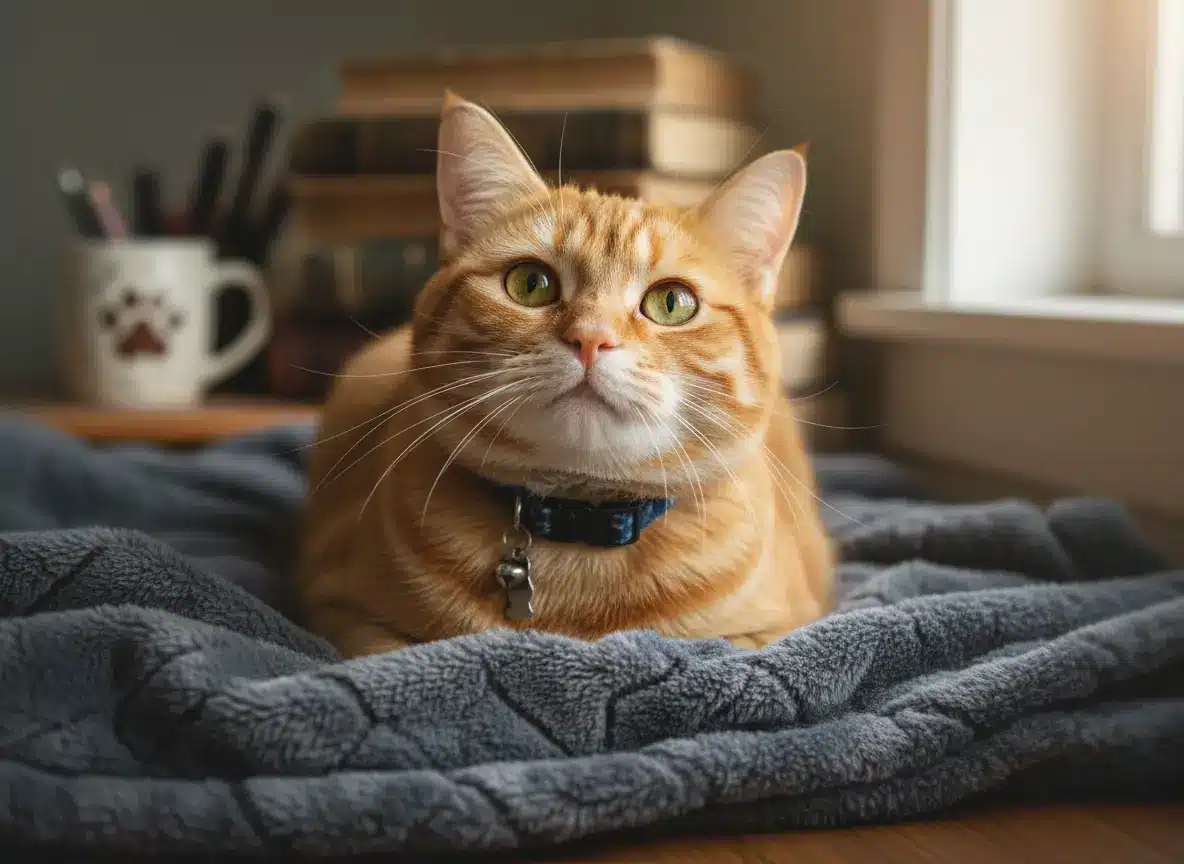
Cat people, you might want to sit down for this: new scientific research has confirmed something we long suspected. Your purring roommate’s brain just isn’t what it used to be—but before you panic about your feline friend’s intellectual prowess, let’s dig into the science (and no, it’s not just because they spend their days sleeping in sunbeams).
The Shrinking Cat Brain Mystery: Now Confirmed
Cats have been sharing our homes and our hearts for roughly 10,000 years. Over this vast stretch of time, speculation has swirled that domestication might come with a curious side effect—a reduction in brain size. Now, the evidence is in. Researchers have studied the skull sizes of both domestic cats and their wild cousins from Europe and Africa. Since skull volume is a reliable indicator of brain size (yes, even in cats who think otherwise), this approach offered a clear window into the feline mind.
The findings brought old suspicions back to life: « Our data indicate that domestic cats have smaller cranial volumes compared to European wildcats and the ancestral wildcats of domesticated cats, the African wildcats, which confirms previous results, » the scientists explained. So, it’s official—your house cat’s braincase is, on average, a bit snugger than those roaming in the wild.
It’s Not Just Cats—Other Domesticated Animals Feel the Squeeze
But let’s not single out Tigger too harshly. The team also turned their attention to hybrids, those glamourous love children of wild and domestic cats, like the Bengal or Savannah breeds. Interestingly, their brain size was right between that of the true wildcats and the fully domesticated pets. This neat middle ground further cements the case: domestication is the main culprit behind the shift in cat cranial architecture.
And cats are not alone in this evolutionary headspace shrinkage. According to the study, sheep, dogs, and rabbits also exhibit this phenomenon as they’ve cozied up to human lifestyles. It’s a universal trait among domesticated animals—could it be that regular feeding, shelter, and frequent ear scratches really do go to your head?
- Domestic cats have smaller cranial volumes than wildcats.
- Hybrids (like Bengals and Savannahs) land in the middle.
- This trend repeats in sheep, dogs, and rabbits as well.
Why Does Domestication Make Brains Smaller?
Move over, cat memes—this is the real intrigue. The researchers propose that natural selection favored tameness during domestication. In simple terms: the more docile a cat, the more likely it was to lap up a spot by the fire instead of running off into the wild.
This tameness, in turn, may have caused a decrease in the production of neural crest cells. That’s a fancy way of saying that the offspring of these cats became less excitable and less fearful—traits that helped them thrive among humans, rather than hiding under the bed at every sneeze. This process didn’t just affect personality; the same regulation could alter morphology, stress responses, and, yes, brain size.
Why This Isn’t Entirely News – and Why It Still Matters
If you fancy yourself a bit of a science historian, you’ll know that feline brain size has been sparking debates since the 1960s and 70s. So, while today’s findings aren’t brand new, they breathe life into research that sometimes sat unnoticed for decades. The study helps fill gaps, offering new data for anyone pondering the mysteries of animal domestication theories.
A word of caution from the scientists: previous comparisons of brain size often leaned heavily on old and sometimes unavailable literature. Worse, they occasionally drew lines between domestic animals and wild relatives that, upon reevaluation, may not actually be the true ancestors at all.
- Earlier studies may have compared the wrong wild populations.
- Much of the background literature is tough to access or outdated.
Finally, the team urges caution when interpreting these results. They emphasize that more research is needed, involving a wider range of species, to fully understand how domestication changes the brain—especially in cats. For now, the data are still fairly limited. As they wisely note, « We must always recognize that we are comparing a population of animals living currently (or recently) in the wild with the domestic form, and not the true ancestral population. »
In short: while your domestic feline may look coolly unconcerned about their cranial measurements, there’s still a lot more to discover before we know the full story. So give your cat an extra treat. After all, maybe the secret to happiness is having just the right size of brain for staying blissfully unbothered.

John is a curious mind who loves to write about diverse topics. Passionate about sharing his thoughts and perspectives, he enjoys sparking conversations and encouraging discovery. For him, every subject is an invitation to discuss and learn.