What if the thing keeping you safe could also make you dangerously blind? For all the clever tech packed into modern cars, a simple yet sturdy bit of automotive engineering has a hidden dark side. Welcome to the world of the A-pillar—where not just cyclists or pedestrians, but even entire cars can vanish from view, right under your nose (or, well, your windshield) without you having the faintest clue.
The Price of Progress: Safety Meets the A-Pillar Problem
Over the past decades, car safety has raced ahead. Thanks to robust cage constructions and thicker bodywork, you’re better shielded in a crash than ever before. But—there’s always a but—this leap forward in safety comes with its own problem: the now notorious A-pillar. That’s the chunky bar between your windshield and your side window. Once a modest little support, today it’s as broad-shouldered as a rugby player, and it’s been quietly making life trickier for drivers everywhere.
Amer Adam of Autoklar Trafikskola, an experienced driving instructor, puts it plainly. According to him, the true hiding powers of the A-pillar are still underestimated by many drivers:
- Pedestrians? Gone.
- Cyclists? Invisible.
- Oh, and yes—even entire cars can vanish behind that wide chunk of metal.
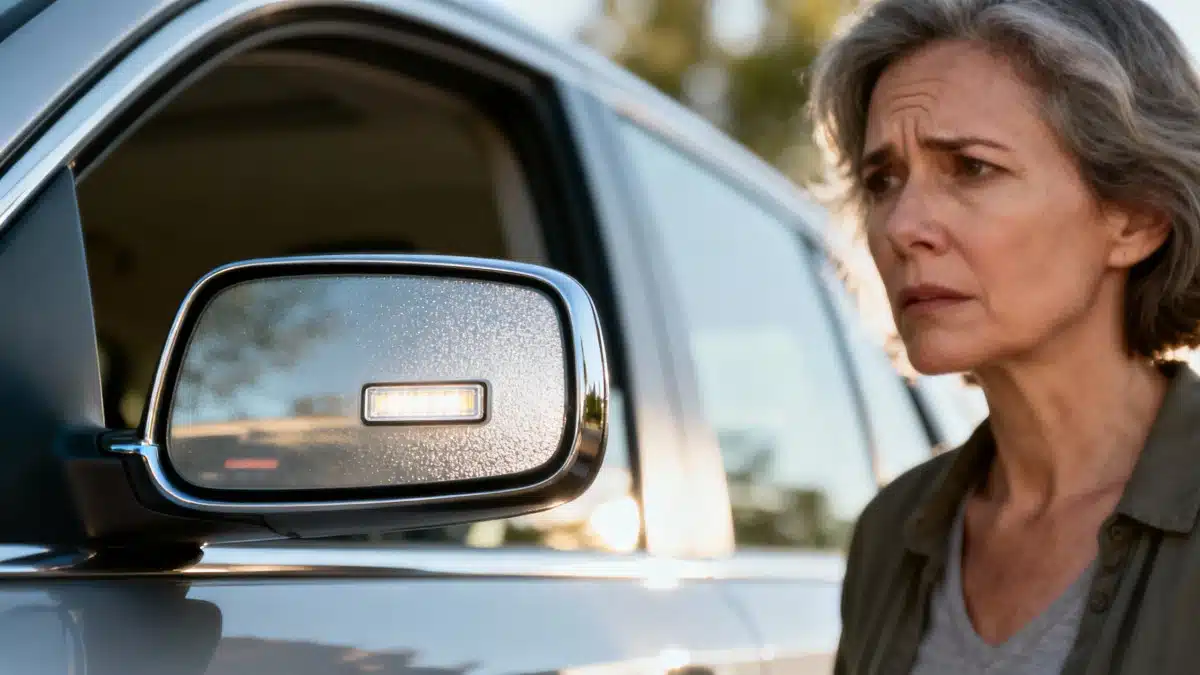
These disappearing acts happen most often at bends, roundabouts, intersections, or residential areas—the places where your line of sight is already at a premium. So if you’ve ever wondered why that cyclist “came out of nowhere,” well, now you know: they were hiding in plain sight behind your own A-pillar.
“Now You See Me, Now You Don’t:” The Danger for Motorcyclists
If it’s bad for regular road users, the problem’s even greater for motorcyclists. Slim, quick, and agile, motorbikes can effortlessly slip right into that sneaky A-pillar blind spot—sometimes even on broad roads. No wonder motorcycle schools spend so much time warning new riders about this hazard. For those on two wheels, the cold truth is: they must always be wary of motorist blind spots, because that killer A-pillar could erase them from a driver’s view in an instant. Not magic—just poor visibility.
Training Eyes and Instincts: What Driving Instructors Teach
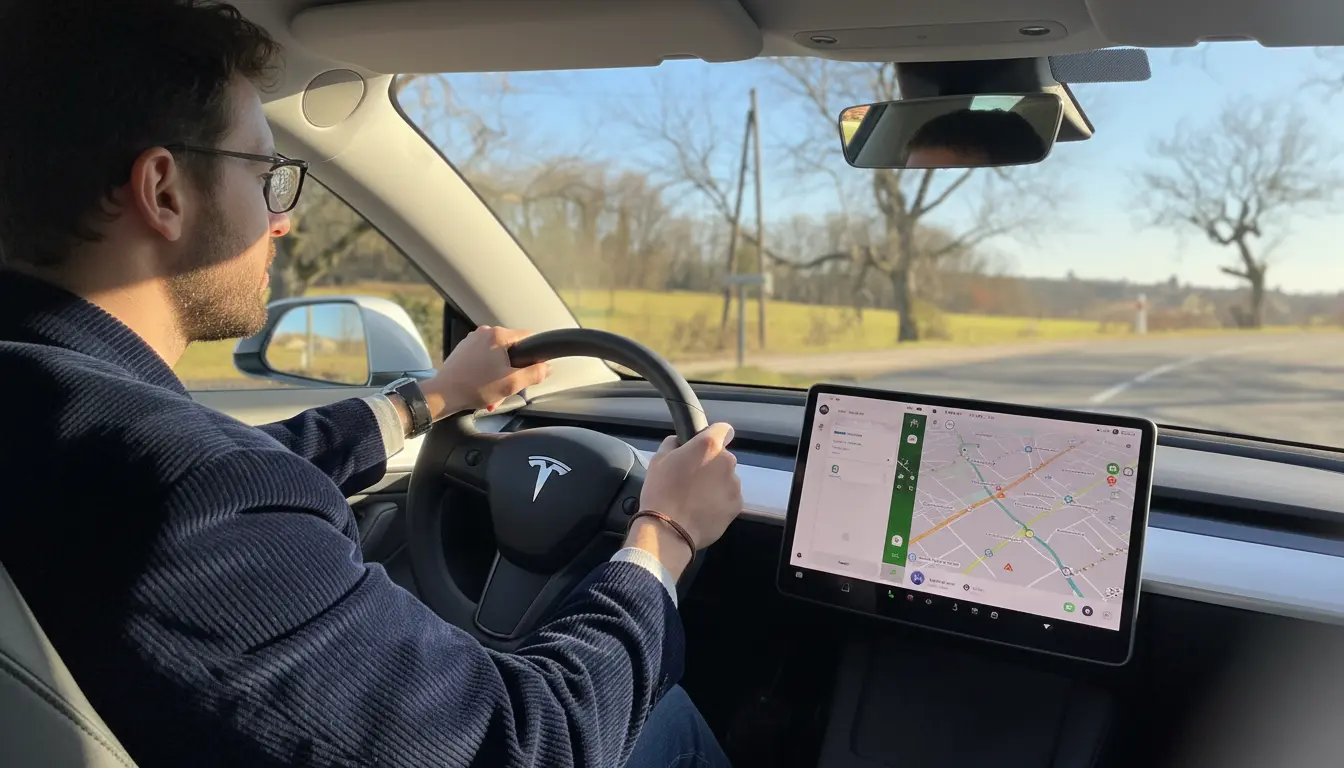
Good driving schools don’t take the blind spot lightly. Adam explains that behind the wheel, drivers-in-training practice literally bobbing forward or leaning to the side, so they can peek around the A-pillar. “We sometimes set up cones in places where the A-pillar hides them,” says Adam, “so students can see firsthand just how easy it is to miss something.”
The revelation is often eye-opening. Students quickly discover how much car model differences matter: exam cars and lesson cars can be worlds apart. The design of the glass and the width of the pillar can vary dramatically:
- Some students ask if they can take their test in an ‘easier’ car with better visibility.
- But, as Adam stresses, that’s never a valid excuse. The real lesson: develop your observation skills and risk awareness, because the roads—and the cars—won’t make things simple for you.
What Car Makers Are (and Aren’t) Doing—And Why Drivers Stay Responsible
The car industry hasn’t ignored this issue. Saab, for example, tested a collapsible A-pillar a decade ago, cleverly designed to only fold out during a collision. Nowadays, some manufacturers experiment with high-tech solutions—using cameras and screens to create a kind of “see-through” pillar. Still, no matter the gadgetry, one thing hasn’t changed: the driver’s attention is the ultimate safety feature.
Adam admits he’d love to see car makers find a better balance between structural strength and clear sight lines. But he also acknowledges: these pillars do a crucial job in managing crash forces and protecting occupants. And that means, at the end of the day, responsibility lands squarely with the driver.
So here’s the takeaway, loud and clear. If you want to drive safely:
- Compensate for your car’s limits.
- Always account for road users hidden in your blind spot.
- Adjust your speed as appropriate.
- And—this one you can do right now—don’t just rely on your mirrors. Move your head and use your eyes. The life you save might not just be your own.
Sometimes, seeing really is believing—and sometimes, the most dangerous thing on the road is the one you don’t see at all.

John is a curious mind who loves to write about diverse topics. Passionate about sharing his thoughts and perspectives, he enjoys sparking conversations and encouraging discovery. For him, every subject is an invitation to discuss and learn.