Picture this: zipping through the cosmos, not worrying if you’ve packed enough fuel to make it back home – or even to the next planet. Thanks to RocketStar’s FireStar™ Drive, this once-outlandish scenario may soon turn into reality. Space propulsion is primed for a radical shake-up, and the FireStar™ Drive could be the engine that propels humanity into a new era of interstellar adventure.
The FireStar™ Drive: Revolutionizing Space Propulsion
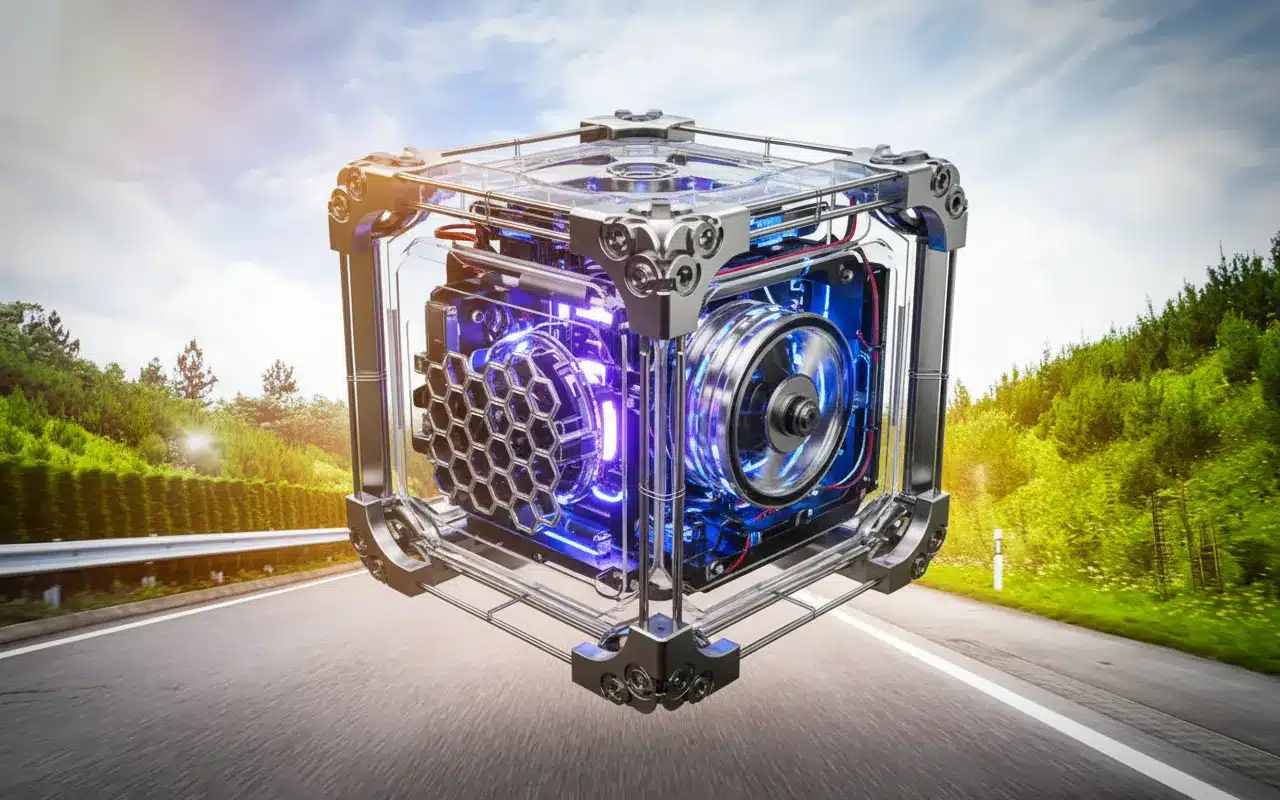
The FireStar™ Drive introduces an innovative propulsion system that draws its energy straight from the Sun. By harnessing a sophisticated pulsed plasma propulsion method, it uses water to accelerate protons to dazzling speeds. Here’s where it gets particularly cosmic: once these protons hit their mark, they fuse with boron atoms, setting off a nuclear fusion reaction. This process isn’t just a fun physics experiment – it’s twenty times more efficient than traditional propulsion methods, and could enable spacecraft to cruise for extended missions without mid-journey pit stops for refueling. Imagine waving goodbye to the age-old problem of running out of gas mid-Mars trip!
Clean Energy, Straight from the Stars
The real game-changer in FireStar™ lies in its use of aneutronic nuclear fusion – that’s science talk for a clean energy process that doesn’t create harmful radiation. Tapping into the same fusion reactions at the very heart of our Sun, this drive offers humanity an almost infinite power source perfectly suited for interstellar voyages. The system captures and puts to work solar energy, making the most of a resource about as close to limitless as you can get (just remember your sunglasses).
There’s more: not only does this technology promise to revolutionize propulsion efficiency, but it also leaves fossil fuels in the cosmic dust. RocketStar’s approach proposes a future of exploration unchained from the dirty, limiting constraints of old-school chemical propellants.
Vision from Napkin to Launchpad
How did such a bold concept get off the ground? In classic innovation fashion, it started with a napkin sketch at a conference, courtesy of Chris Craddock (RocketStar CEO) and Wes Faler (CTO). Thanks to support from the US Air Force’s AFWERX initiative, what began as a doodle quickly gained momentum, transforming from theory to a technology ready for real-world testing. Today, the FireStar™ Drive stands on the brink of its maiden trials.
Nuclear engineering professor Adam Hecht highlights that the FireStar™ Drive doesn’t just push technological boundaries – it cracks them open, ushering in an ecological alternative to notorious polluters (looking at you, chemical engines). With water-based fuel and nuclear fusion as its calling cards, RocketStar is giving the rulebook for space propulsion a much-needed rewrite.
The Road (or Orbit) Ahead
Testing is about to get serious. The first rounds will take place at Georgia Tech’s High Power Electric Propulsion Laboratory, and in February 2025, the Barry-2 satellite from Rogue Space Systems will carry FireStar™ for an in-space test flight. These trials are crucial: they’ll assess fuel consumption, motor performance, and the impacts of nuclear fusion in the harsh realities of space. The results? They’ll decide if FireStar™ is truly ready to change the way we traverse the universe.
- If successful, the FireStar™ Drive could radically slash travel times to Mars and other distant worlds.
- This system might enable more frequent, swifter missions within our solar system and – who knows – maybe soon to the nearest stars.
The vision doesn’t stop at more efficient propulsion. Should this technology succeed, humankind could soon explore space at speeds and efficiency levels previously unheard of. The FireStar™ Drive marks a new chapter, with the potential to unearth new planets – and, just maybe, unlock the door to neighbor stars.
Farewell, fuel worries. Hello, next-generation exploration!

John is a curious mind who loves to write about diverse topics. Passionate about sharing his thoughts and perspectives, he enjoys sparking conversations and encouraging discovery. For him, every subject is an invitation to discuss and learn.