If you’ve ever been startled by a mysterious trickling sound in your bathroom – or, worse, received a water bill with Olympic swimming pool ambitions – you know the chaos a misbehaving toilet can cause. But before you reach for your toolbox or dread the idea of wrestling with incomprehensible plumbing parts, take a breath: a plumber-approved gesture, passed down by the pros, can fix most flush problems instantly – no tools needed!
Why That Water Won’t Behave: The Culprit Revealed
It usually starts innocently: a slightly odd noise, some sluggishness in your flush, or a lever that acts like it’s gone on strike. Then, as the water keeps running, so does your budget. In most cases, the heart of the problem sits right inside your toilet tank – the humble flapper valve. This small but mighty part is both the hero and, sometimes, the villain of every successful flush.
Here’s what typically goes wrong:
- The flapper gets grimy with scale, dirt, or hair.
- It shifts from its rightful place, failing to seal the water in the tank.
- Continuous running water, a reluctant lever or button, gurgling sounds, or a weak flush (sometimes working, sometimes not) – all signal flapper trouble.
In short: before considering drastic measures, always check this unassuming but crucial part first.
No Tools, No Fuss: The Plumber’s Quick Fix
Don’t panic (and please keep the wrench away). Most of the time, restoring your flush to its glory days is surprisingly easy:
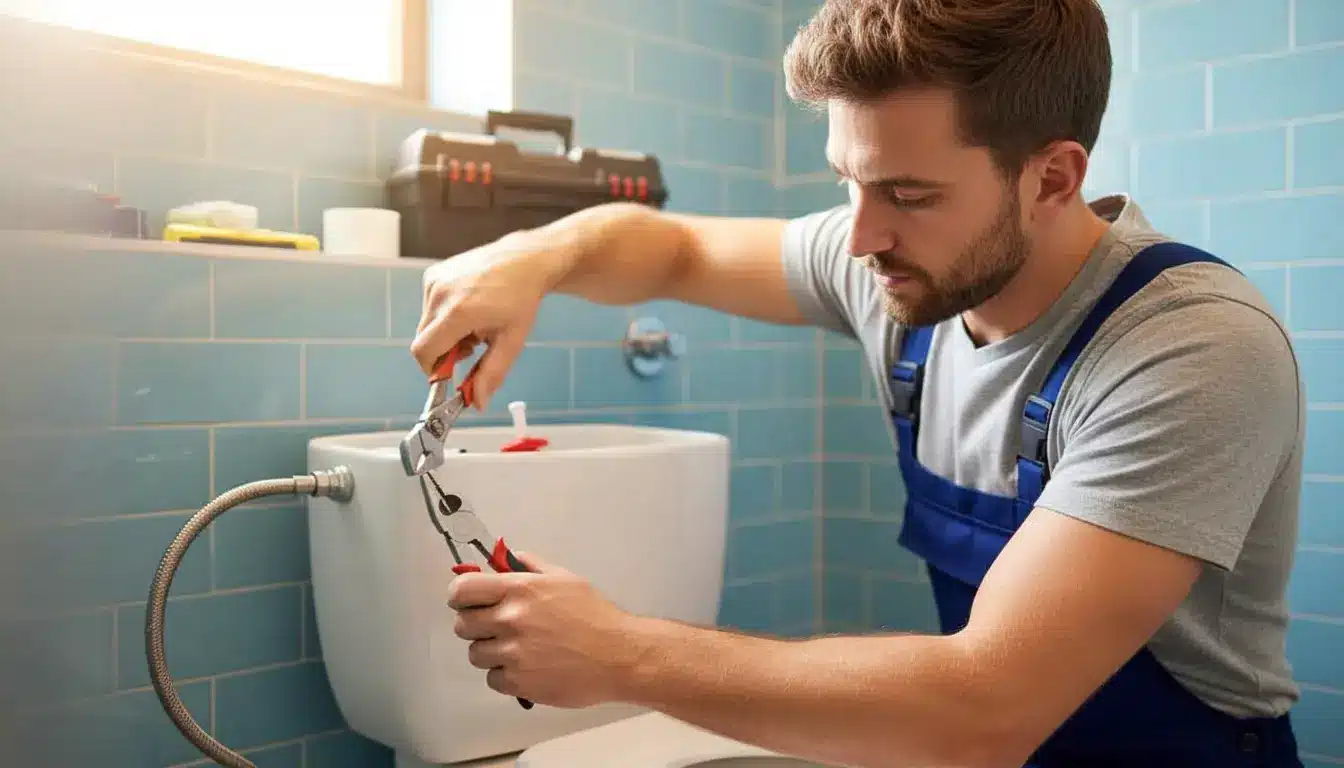
- Lift the tank lid and locate the flapper (the rubbery flap at the center).
- Activate the flush mechanism so you can spot the part more easily.
- If the flapper isn’t returning properly, gently put it back in place.
- Remove any debris or build-up – scale, dirt, or hair – from its base by hand.
- A gentle rotation or little pressure can help detach it from crusty deposits – no screws, no new pieces required.
As soon as you restore the flapper’s seal, you’ll often enjoy immediate, blissful silence, and a working flush. The trick? Be gentle: a soft cloth is all you need, and don’t go Hulk on the mechanism – rough handling can damage the delicate seal around the flapper.
Clean around the flapper seat, reposition the part carefully, close the tank lid, test the flush, and observe. If the lever or button pops back up and the running water halts, congratulations – you’ve dodged the need for a full repair kit, and your mechanism should run as quietly as a mouse in slippers.
Products to Use and Avoid: Keeping Your Tank Happy
Plumbers have a checklist for TLC (Tender Lavatory Care):
- White vinegar is your pal for dissolving mineral build-up.
- A mild detergent or diluted dish soap will safely de-grease.
- Use only a soft sponge or non-abrasive cloth. Aggressive descalers, bleach, metal tools, or anything scratchy are villains – they nick and gouge the seal, harming the mechanism and leading to even more mischief.
Scheduled care is just as important. Every three to four months, give the flapper a light clean; if your water is particularly hard (we’re looking at you, limestone regions), reduce this to every two months. This keeps breakdowns at bay, ensures a frank water flow, and helps keep your household budget as stable as possible.
When Cleaning Isn’t Enough: Signs It’s Time to Replace the Flapper
Even after you’ve performed all the right moves, sometimes the flapper just won’t do its job. Watch out for:
- A flapper that’s cracked, warped, or simply won’t stay anchored.
- A mechanism that remains blocked or noisy, despite your cleaning efforts.
- A tank that refuses to refill or empties endlessly, even when the proverbial seal looks perfect.
If these symptoms arise, it’s time for the last resort: swap out the faulty part. Cleaning solves most issues, but an aged or damaged seal can’t safeguard against leaks. Only a new, well-fitted replacement will guarantee a watertight closure.
Don’t let silent leaks soak your peace of mind – or your wallet! By spotting the signs and using the right tricks, you can restore your toilet’s efficiency, extend the lifespan of its mechanism, and protect your budget. Remember the winning trifecta: check the flapper, clean it with suitable products, and act fast if a replacement is required. This simple, responsible approach keeps your toilet whisper-quiet and working perfectly – no disassembly required.

John is a curious mind who loves to write about diverse topics. Passionate about sharing his thoughts and perspectives, he enjoys sparking conversations and encouraging discovery. For him, every subject is an invitation to discuss and learn.