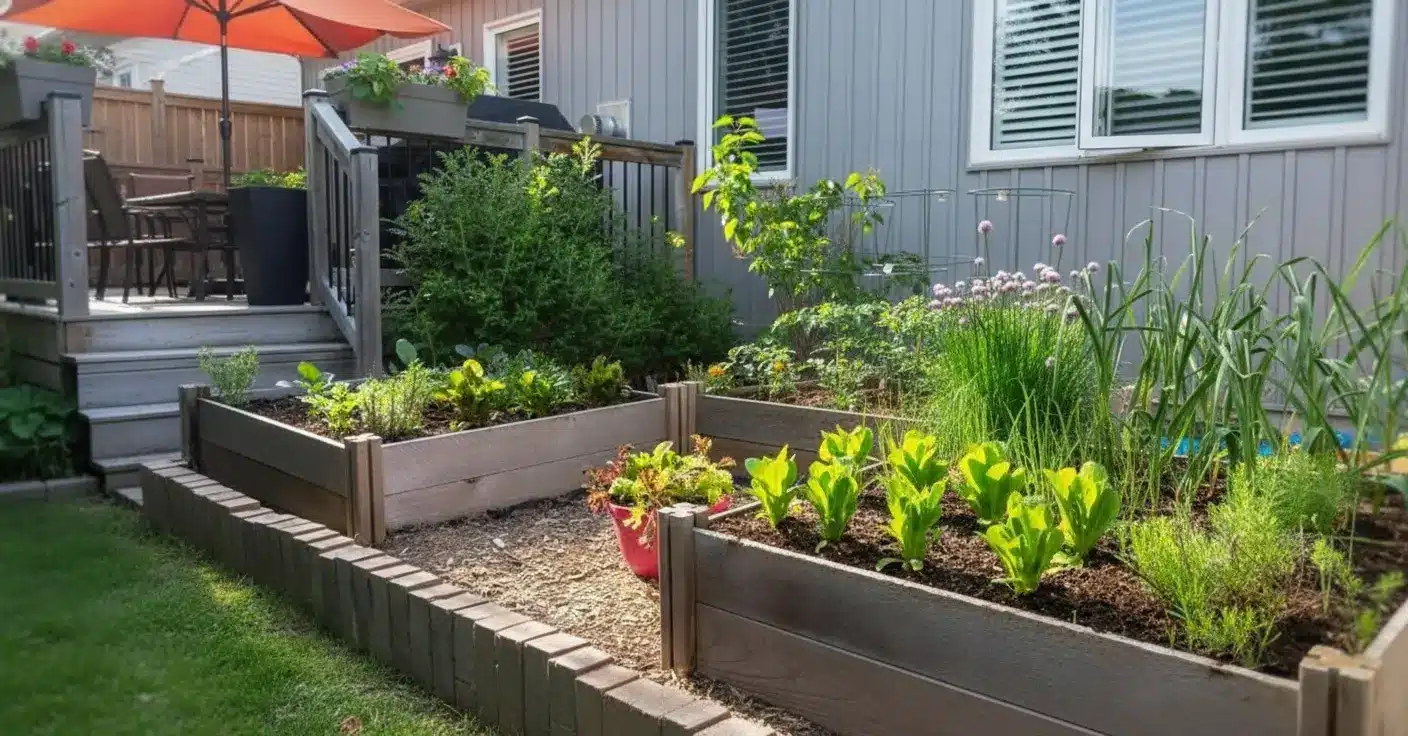
Dreaming of a vegetable patch that looks after itself—with harvests arriving almost by magic and watering cans gathering dust in the shed? Welcome to the (very realistic) fantasy of the lazy—or, let’s say, clever—gardener: the world of perennial vegetables!
Why Perennial Vegetables Are the Unsung Heroes of the Garden
- No advanced gardening degree or hours of weeding, watering, and pampering are needed for these champions, also known as « perpetual vegetables. » Their superpower? Coming back year after year, practically on autopilot.
- Once established, perennial vegetables are remarkably self-reliant. They return with the seasons, bravely face drought and chill, and hold their ground against pests and diseases. In short, they’re the superheroes for anyone who loves regular harvests with minimum fuss (and muscle grease).
Your Perennial Vegetable Patch, Anywhere You Wish
- Think you need a grand vegetable plot? Think again! These hardy plants are equally happy in flowerbeds, planters, on balconies, or terraces.
- Their minimalist thirst for water makes them a dream for anyone who occasionally (or strategically) forgets the weekly watering session.
With such low-maintenance stars, harvesting becomes a walk in the park. But a word to the wise: some, once settled in, have a tendency to make themselves very much at home—sometimes in the entire garden! Wild garlic, for example, has a flair for spreading across big areas. If you enjoy green carpets, it’s not a bug—it’s a feature.
Plant, Place, and (Mostly) Forget
- Even though they basically take care of themselves, don’t neglect their location. It’s wise to gather your perennial vegetables into a single area in your garden or patch. That way, they won’t mess with your future plantings or your crop rotation. Imagine it as the best-organized house-share ever—everyone has their spot.
- As for the soil? A simple routine: loosen and aerate before first planting. Toss in a little compost and mulch, and you’re setting them up for a long and illustrious career. Splitting larger clumps is also a trick to multiply your harvests without exhausting your green stalwarts.
Choosing among the many varieties depends as much on your local climate as on your soil’s character. If they don’t take to local conditions, some might sulk and behave like mere annuals. Perennials, it turns out, can be surprising characters!
A seasoned tip: Plant them at the same time as you would classic vegetables, ideally in spring or autumn—waiting for the last frost to bid farewell and skipping the scorching summer heat. Every type has its preferred timing, so always check the instructions when you get your hands on new plants.
The Not-So-Perennial Pitfalls
- Not everything’s perfect in the kingdom of perennial greens. Some develop a very invasive spirit and need to be strictly contained in their dedicated space.
- On top of that, since you can’t really practice crop rotation in the spots these long-term lodgers occupy, you may see a bit less diversity in your vegetable garden after a few seasons.
- One more thing—the flavor department! Perennial vegetables often taste more robust and pronounced than their annual cousins. This is brilliant for adventurous taste buds, but might surprise anyone used to more subdued flavors. Look at it as your chance to push your own culinary limits and surprise your taste buds at the dinner table.
And here’s a final ray of sunshine: it’s never been easier to source seeds and plants for perennial vegetables, thanks to specialized nurseries and the wonders of the internet. So, are you ready to give « effortless harvesting » a spin?
Hotel Limoux, lovers of things beautiful and delicious, is a site dedicated to tourism and gastronomy, celebrating authentic destinations, heritage, local produce, and the art of living.

John is a curious mind who loves to write about diverse topics. Passionate about sharing his thoughts and perspectives, he enjoys sparking conversations and encouraging discovery. For him, every subject is an invitation to discuss and learn.