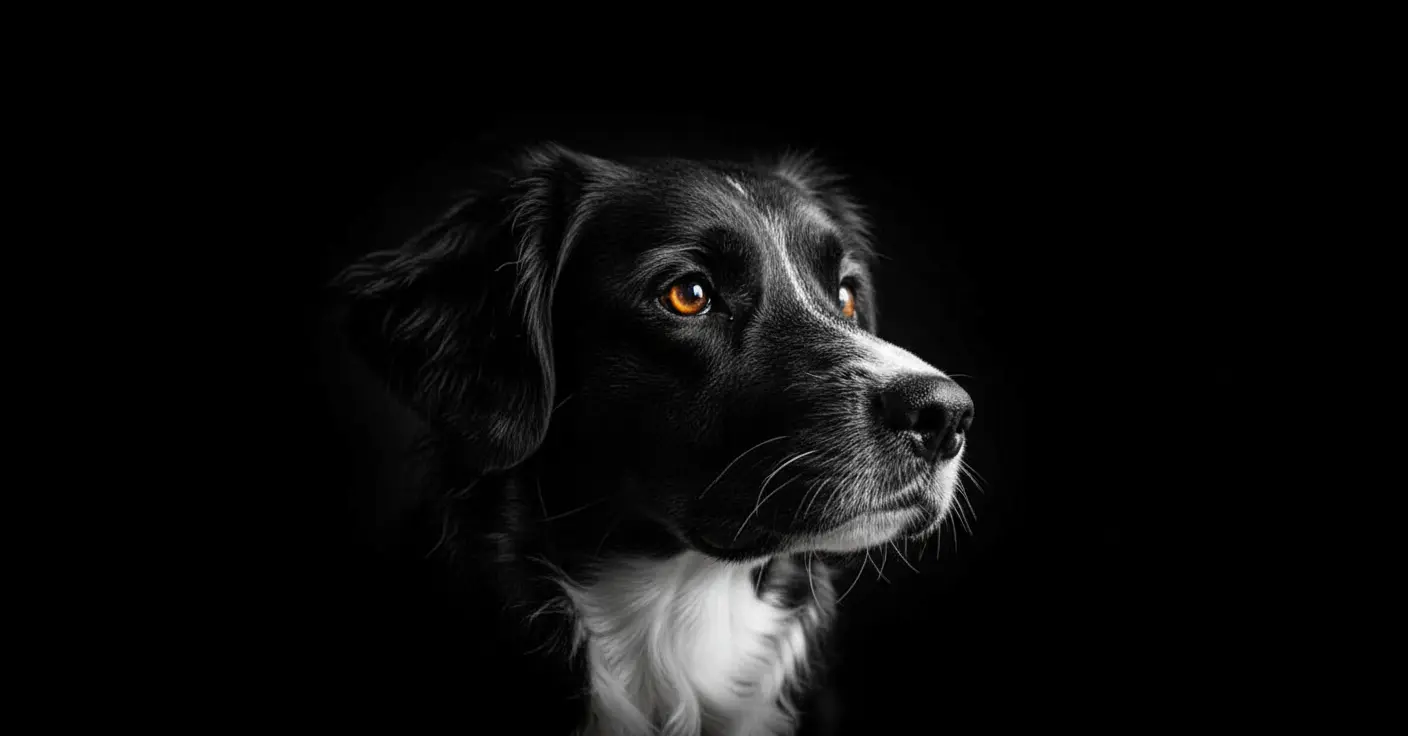
Ever notice your dog acting like Sherlock Holmes at the park or suddenly turning into a furry bodyguard around a particular guest? Science is starting to explain something many pet owners have long suspected: dogs really can sniff out the truth about people, often before we have any clue at all.
When Instinct Speaks Louder Than Words
You might have met a dog who suddenly becomes defensive or downright aggressive towards a stranger, and no matter how much you apologize for the theatrics, you can’t explain it. Even the most attuned owners are left puzzled. There’s often nothing obvious that sets the person apart—they’re smiling, friendly, not wearing a spooky clown mask. And yet, Fido is having none of it.
One riveting example comes from a family in the United States, as described by Discover. When a man was 12 years old, his dog completely lost composure the moment a neighbor approached them in front of their house. The neighbor seemed perfectly pleasant, all smiles. But the dog was relentless until the man retreated behind the door and the visitor left. Weeks later, the family learned that this very neighbor was arrested for no fewer than ten counts related to child assaults. It was as if their dog sensed something profoundly off—a truth invisible to every human present.
Super Sniffers: Why Dogs Outpace Humans
Dogs’ inexplicable reactions start to make sense when you dig into the science. Forget “just a good nose”—a dog’s sense of smell is basically a superpower. While humans boast about having 5 to 6 million olfactory receptors, an average dog sports 220 million of them. Some breeds can reach 300 million. That’s not just an upgrade; it’s a whole new operating system.
But there’s more. According to Discover, dogs can detect odors that are 50 times less concentrated than what humans can perceive. Step aside, scented candles—you’re not impressing these sniffing specialists.
MRI scans have unveiled more clues. Unlike humans, dogs don’t have a dominant frontal lobe but possess a prominent olfactory bulb, which occupies a whopping 10% of their brain space. This design allows them not only to detect smells that escape our notice entirely, but also to register, store, and even draw meaning from them. Our canine companions are information-gathering machines.
When Scent Memories Trigger Action
Our four-legged friends aren’t just keeping mental notes of squirrels and snacks. Sometimes, a seemingly random reaction is rooted in their intricate catalog of odors.
Animal behaviorists have observed this in action. In one experiment, a dog was placed among visitors—including those with the dubious honor of being bitten most frequently. At first glance, none could be distinguished by looks, speech, or posture. The only pattern? They had all eaten pizza hours before. It turns out, a pizza delivery person once kicked a puppy, leaving a powerful impression on the dog. So, every time a pizza scent rolled in, the dog’s defense—and offense—mode kicked in.
This isn’t just about food. It goes deeper, into the invisible world of chemical signals. Dogs register far more than the aroma of leftover pepperoni.
- Emotions like fear can trigger sweat and adrenaline—subtle but tangible scents for sensitive canine noses.
- Body odor shifts based on mood, stress, or even intent.
A 2018 study involving Labradors and Golden Retrievers put this to the test. Dogs exposed to the sweat of fearful humans showed clear signs of stress themselves. Their reactions—far from random—were tracked to these hidden emotional markers.
Dogs, Stress, and the Healing Power of Empathy
But canine intuition isn’t just about pointing out bad apples or hidden pizza villains. Research has also shown that dogs are instrumental in supporting veterans experiencing post-traumatic stress disorder (PTSD). Their responsiveness to invisible cues—of stress, trauma, mood—gives them the exceptional ability to help humans who need it most.
You could say dogs are living, breathing lie detectors—except way fluffier and far more lovable. They don’t judge by appearances or smooth talk; they trust what their noses (and hearts) tell them. Sometimes, their instincts really are right.
So, next time your pooch sounds the alarm, maybe it’s worth listening—even if their evidence is, quite literally, in the air. Trust their nose: there’s a science to their suspicion, and a world of real emotion in every sniff.

John is a curious mind who loves to write about diverse topics. Passionate about sharing his thoughts and perspectives, he enjoys sparking conversations and encouraging discovery. For him, every subject is an invitation to discuss and learn.