Click, order, delivered – sounds like a fairytale, right? If you’ve found yourself tempted by the China EV Marketplace’s flashing deals and the lure of a brand-new electric car from BYD, Nio, or Xiaomi without ever leaving your sofa, you’re not alone. But before you start planning your first emission-free road trip, it’s worth peeking under the hood. Some hidden costs and quirky complications could steer your dream deal into a bumpy ride.
The Allure: Low Prices and Modern Models
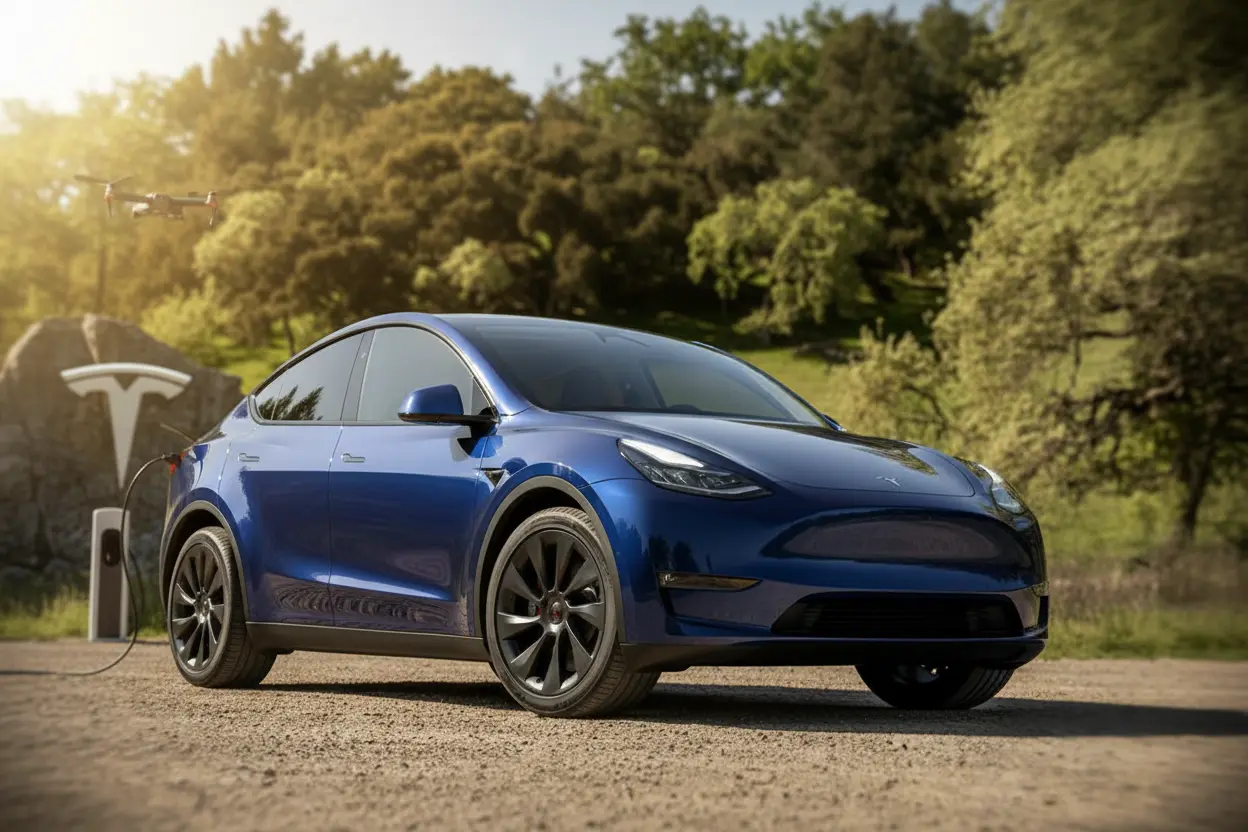
The promise is enough to set any thrifty European car enthusiast’s heart racing. China EV Marketplace invites individuals across Europe to buy Chinese-designed electric or hybrid cars with just a couple of clicks. The seduction? Super-competitive prices that are significantly lower than those you’d find at your local dealership. We’re talking about current-generation cars, generously equipped with driving assistance systems and fancy connectivity features. The likes of BYD, Nio, and Xiaomi aren’t just exporting cars; they’re offering models you won’t find at European dealers yet. For folks wanting something fresh and original while going electric, this can feel like a tailored proposition. Some platforms even throw in the possibility of handling European homologation—a crucial step for getting your new ride road-legal.
Reality Check: Technical and Practical Pitfalls
All that glitters is not gold—especially when it comes to tech. While the initial price tag makes for pleasant reading, technical barriers lurk in the fine print. Take charging standards: in China, the GB/T connector is common, while Europe has embraced CCS. That’s not a minor footnote. If you want your new electric vehicle to actually charge conveniently, you’ll need a specialized adapter or possibly modifications to the wiring or charging port. That snazzy fast-charging you imagined? There may be restrictions, headaches, and unexpected limitations.
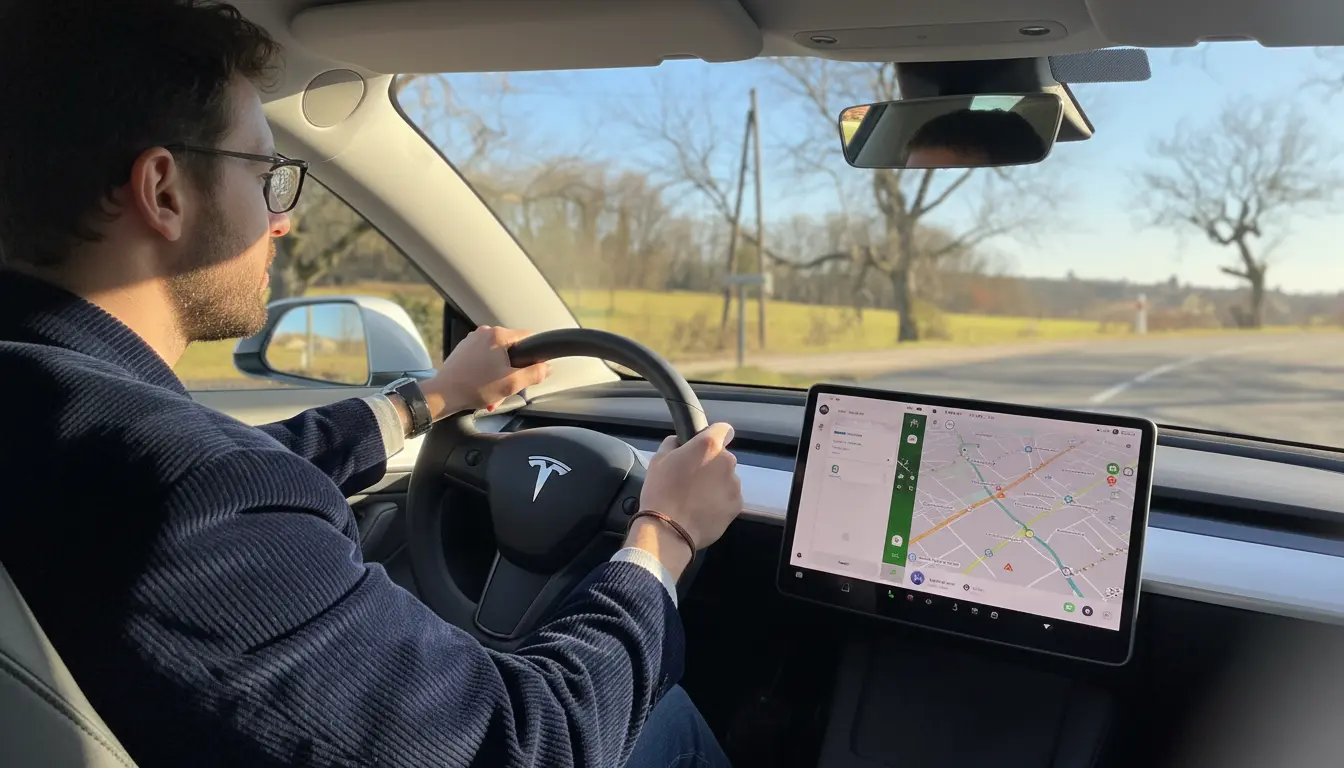
- Interfaces and controls sometimes only speak Chinese, so unless you’re fluent, you might find those menus more confusing than helpful.
- Online services often connect to servers located in China, which might not play nicely (or at all) in the European digital landscape.
- Some local-specific features could be missing: maps, eCall, and regional over-the-air updates, for example, might not be on offer.
- If something goes wrong, access to spare parts and customer service is less certain, with the risk of longer waits and higher costs looming over your head.
The Price Tag: More Than Meets the Eye
If you thought the price listed on China EV Marketplace was the grand total, brace yourself for some extra math. Importing your dream EV brings more than just shipping fees:
- Import taxes
- European customs duties (often 10% to 20% of the vehicle’s base price, before VAT, transport, or insurance)
- Customs clearance fees
All of these delightful surprises are payable by the buyer, not the platform. And then comes the all-important homologation process, essential for getting your car registered in Europe. Even if the marketplace helps you out here, those services rarely cover all the costs. Finally, finding an insurer willing to handle your imported electric vehicle may mean jumping through extra hoops or paying specialized premiums.
Think Before You Click: What to Weigh Up
There’s no question: the chance to snag a cutting-edge Chinese electric vehicle at a tastebud-tingling price is tempting. But decisions shouldn’t just be about the zeroes on the screen. Take a closer look at:
- The true, full cost from shipping to registration
- Compatibility with European charging infrastructure and digital services
- Reliability (and language skills!) of the customer service
- Access to support and spare parts
That way, you’ll avoid any nasty post-click surprises. Evaluate every factor—fiscal, technical, and administrative—before you commit. After all, cruising into an all-electric future should be something to look forward to, not to dread. So, eyes wide open, buyers: do your homework before hitting that juicy ‘buy now’ button.

John is a curious mind who loves to write about diverse topics. Passionate about sharing his thoughts and perspectives, he enjoys sparking conversations and encouraging discovery. For him, every subject is an invitation to discuss and learn.