Remember that magical promise from a decade ago—a car that could travel 100 kilometers on just one single liter of fuel? It felt as if we were standing at the threshold of a revolution where efficiency would reign, the gas station would cry, and our wallets would finally get a break. But now, that vision of the fabled « 1-liter car » is more nostalgic daydream than reality… or is it?
The Pursuit of the 1-Liter Dream
For those who track automotive legends, hearing « 1 liter per 100 km » is like hearing a campfire ghost story—told with excitement, but with a lingering ache of what could have been. Only a decade ago, manufacturers were tantalizingly close to this goal. Mercedes recently stoked this fire again by unveiling the Vision EQXX: a sleek electric sedan whose claim to fame isn’t just its 1,000+ km range on a sub-100 kWh battery, but its astonishing efficiency—less than 10 kWh per 100 km. If you’re still thinking in fossil-fuel terms, that’s on par with a combustion engine car hitting 1 l/100 km. Not too shabby!
But the tale doesn’t begin or end there. Cast your mind back to the heyday of ultra-efficient prototypes:
- Volkswagen’s XL1, sipping just 0.9 liters per 100 km, but with a price to make your bank account faint—plus a mere 250 units produced worldwide.
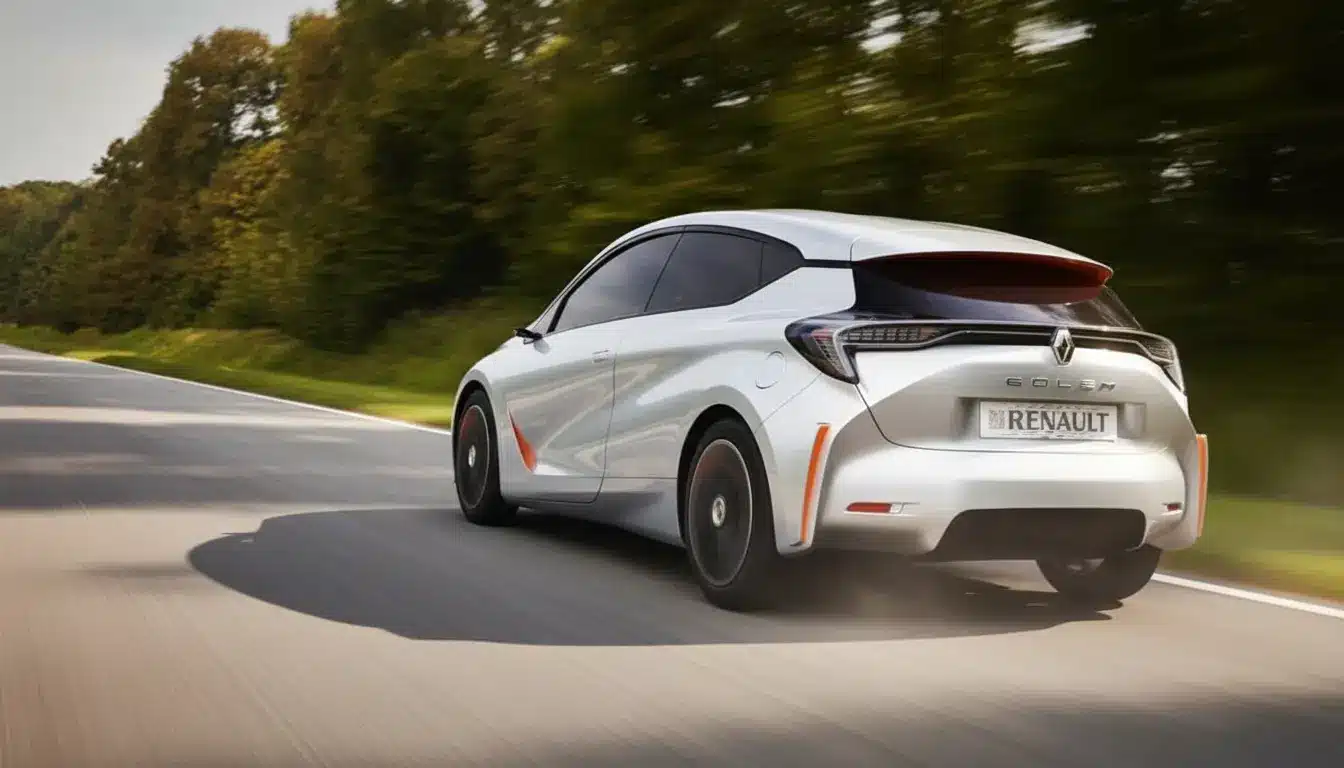
- Renault’s 2014 Eolab, which sipped exactly the fabled one liter to the hundred.
- Citroën’s optimised C4 Cactus, even at a more humble 2 l/100 km, still seemed futuristically frugal.
Hybrid Heartbreak and Technical Hurdles
In 2012, then-French Prime Minister Jean-Marc Ayrault rallied automakers to aim for 2 l/100 km by 2020. Some manufacturers raised their hands: DS, for example, claimed victory with the DS 7 Crossback E-Tense’s 1.3 l/100 km. But here’s the catch: these are plug-in hybrids, and the magic happens thanks to substantial electric mileage. Even the mightiest prototypes—take the XL1—relied on hybrid tech and even a power plug. A pure combustion vehicle running on 1 l/100 km? Never actually existed.
Hybridization unlocked dramatic consumption drops. Renault’s Eolab even foreshadowed the Clio’s 2020 E-Tech hybrid system (landing at 4.3 l/100 km), while Toyota Yaris Hybrid, long the category queen, managed an admirable 3.8—but those numbers still fall shy of the « magic liter. »
And let’s be honest: these are lab-confirmed figures, often friendlier than what your right foot manages day to day. The transition from the old NEDC standard to the more realistic WLTP has pulled claimed consumption closer to real-world reality—but also pushed automakers ever further from those headline-smashing records.
The Comfort Conundrum and Industry Roadblocks
So, why didn’t these wonder-cars ever fill suburban driveways?
- Consumers shunned the ultra-spartan interiors and go-kart seating favored by hyper-efficient concepts.
- Lightweight, futuristic materials were lovely on prototypes, but wildly unsustainable for mass production costs.
And just as car designers were polishing their wind tunnel models, the SUV craze rolled in like a caffeinated linebacker: bigger, heavier, taller, and about as aerodynamic as a garden shed. Sure, supreme aerodynamics—like those flaunted by the XL1 or EQXX—remain among the best ways to cut consumption. But let’s face it: few drivers are eager to cruise inches from the tarmac, losing comfort and dignity all at once.
From Consumption to Range: A Changing Game
While the « 1-liter per 100 km » dream might never materialize—especially as the world turns away from combustion engines—today’s big question for electric cars has changed. Now, it’s all about range. Drivers scan spec sheets to see just how far they can go on a charge, not how many kilowatt-hours they’ll use per 100 km.
As time passes, and once the market is flush with options and kilowatt-hour prices matter more, we’ll likely see head-to-head consumption battles again—the same way we once obsessed over every drop of gasoline. Until then, the mythic 1 l/100 km car remains… a beautiful, unfinished chapter in motoring history. Maybe keep telling the tale—you never know when dreams will roar back to life.

John is a curious mind who loves to write about diverse topics. Passionate about sharing his thoughts and perspectives, he enjoys sparking conversations and encouraging discovery. For him, every subject is an invitation to discuss and learn.