Range anxiety. The very term conjures images of stranded drivers, shivering by the roadside, cursing their empty batteries and regretting their switch to electric. But how much of that fear is fact, and how much is fiction fueled by outdated tales? Grab your keys—and maybe a portable charger—as we take a clear-eyed look at what really happens when your electric car dashboard hits 0%.
What Happens When an EV Says It’s Out of Juice?
- For many drivers, fear of getting stuck with a dead battery—known as range anxiety—is a key reason to postpone buying an electric car.
- But recent testing from ADAC put a selection of modern electric vehicles to the test, aiming to find out: do they truly leave you in the lurch when the battery runs dry?
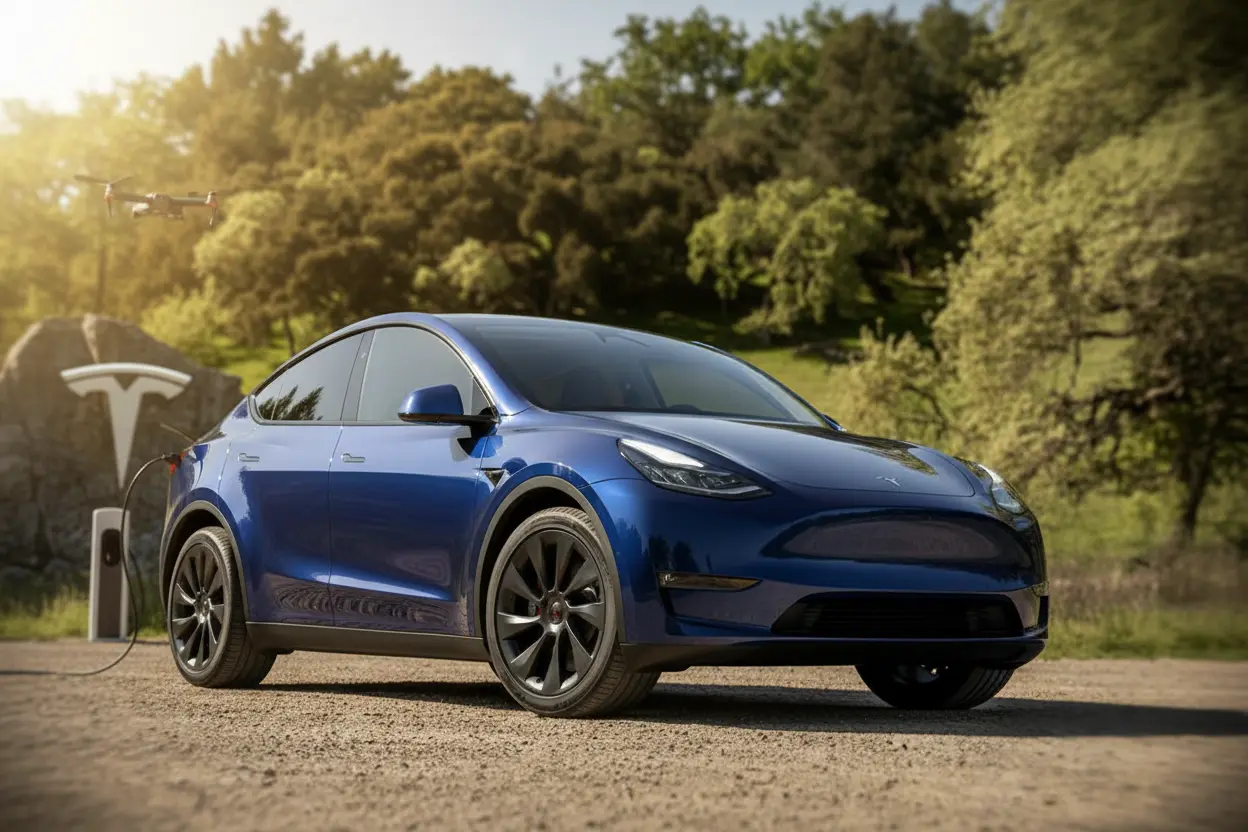
The results may have you breathing a sigh of relief. All tested models, including the VW ID.3, Tesla Model Y, Kia EV6, Volvo EX40, BYD Seal, and Nio EL6, followed a similar pattern as their batteries approached empty. First, you’ll see a visual warning pop up on your dashboard—a handy alert for anyone whose eyes haven’t already fixated on the power gauge. Then come the sound warnings, as if your car is telling you in multiple ways to find that charger, pronto.
The 0% Battery Myth: Emergency Reserves Explained
This is where the story gets interesting. It turns out, none of the tested cars simply stopped as soon as the display hit 0%. Every vehicle provided a secret stash—a backup range, if you will—of an average 15 to 20 additional kilometers. In this « limp mode, » your vehicle slows down, acceleration lags, and you might see a dashboard turtle icon make an appearance, making it clear you’re in a « get thee to a charger! » situation.
Here’s how far each model squeezed out after hitting zero:
- VW ID.3: 15 km
- Tesla Model Y: 20 km
- Kia EV6: 19 km
- Volvo EX40: 21 km (the champion of the test!)
- Nio EL6: 16 km
- BYD Seal: 18 km
All told, these results prove that « zero » on the dash doesn’t actually mean you’ll grind to a halt that instant.
Technological Safeguards—and Real-World Warnings
Of course, before you start planning a cross-country journey based entirely on limp-mode driving, let’s pump the brakes. The testers emphasize: don’t count on these extra kilometers! Several factors could shrink or eliminate your emergency reserve:
- Cold temperatures
- Older, worn-out batteries
- Routes with frequent hills
And beware: the car can suddenly shut down when your speed drops below 50 km/h. Not exactly ideal if you’re coasting toward a charger in heavy traffic. Should you truly run out (and resist the urge to panic), you’ll have to wait for a towing or charging service—because towing an electric car yourself isn’t an option. Doing so could actually damage the car’s electronics, as the motor might act like a generator.
Takeaways for the Cautious and the Adventurous Alike
So what does this mean for anyone still worried about range anxiety? The old image of an EV ruthlessly abandoning you by the shoulder doesn’t stick. Modern electric cars:
- Give clear, repeated warnings—including visual and audio alerts
- Gradually reduce power, giving you plenty of clues that time is running out
- Often keep a modest reserve to get you to the nearest charging station
But, as always, a bit of old-fashioned wisdom applies: plan your trips, don’t gamble on that last sliver of battery, and remember that even the most advanced car can’t outwit luck (or physics). With a touch of foresight, range anxiety doesn’t have to be the boogeyman that keeps you from going electric.

John is a curious mind who loves to write about diverse topics. Passionate about sharing his thoughts and perspectives, he enjoys sparking conversations and encouraging discovery. For him, every subject is an invitation to discuss and learn.