The electric vehicle industry is buzzing, and not in a good, eco-friendly way. A recent international fraud scandal has rocked the world of green cars, threatening to upend public trust just as electric mobility was beginning to overtake the mainstream. What really happened, and what does this mean for the future of sustainable transport?
The Shocking Discovery: Not All That Glitters Is Graphene
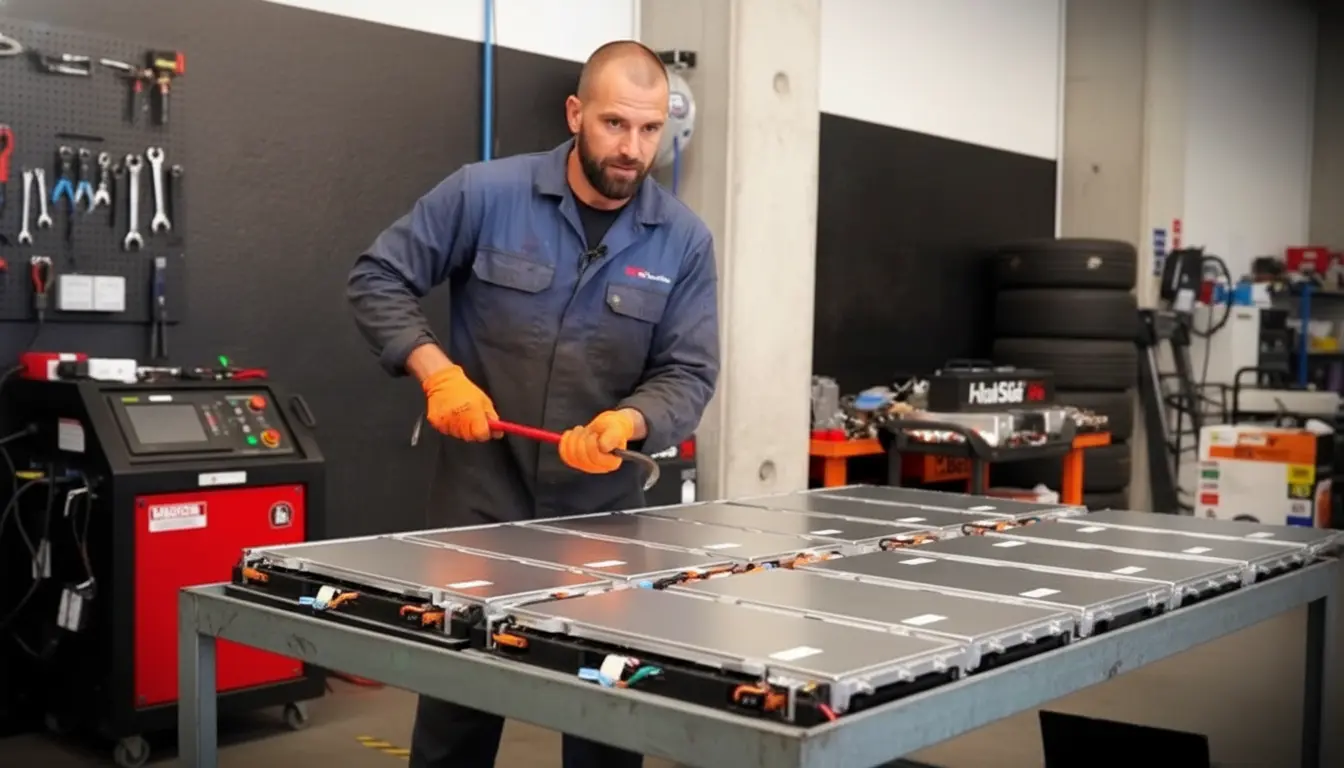
Let’s start at the heart of this battery-powered thriller. Ángel Gaitán, a Spanish mechanic known for his automotive expertise and knack for breaking down car mysteries in engaging videos, has whipped up quite a social media following—and now, the attention of an entire industry. His latest revelation? An international scam over electric vehicle batteries.
According to Gaitán, certain batteries touted as the next leap in technology—supposedly innovative graphene-based super-condensators from Dubai—were nothing of the sort. Car enthusiasts and professionals alike were lured in by spectacular promises: up to 500,000 charge cycles and groundbreaking performance. The reality, however, proved far less dazzling. After thorough analysis, Gaitán discovered these were just ordinary Chinese lithium batteries, disguised with a vinyl layer. Innovation level? About as high as putting a Superman sticker on your phone and calling it a jet.
The Impact: Economy, Trust, and Regulations Under Scrutiny
Gaitán’s exposure comes as a seismic jolt for the sector. Why such a big deal? Batteries aren’t just another component; they are the powerhouse and the pride of the electric vehicle revolution. This revelation could:
- Inflict serious economic damage on both consumers and companies invested in electric mobility
- Expose glaring gaps in the quality and authenticity controls of automotive parts
- Highlight the urgent need for more robust supply chain checks and stricter verification systems
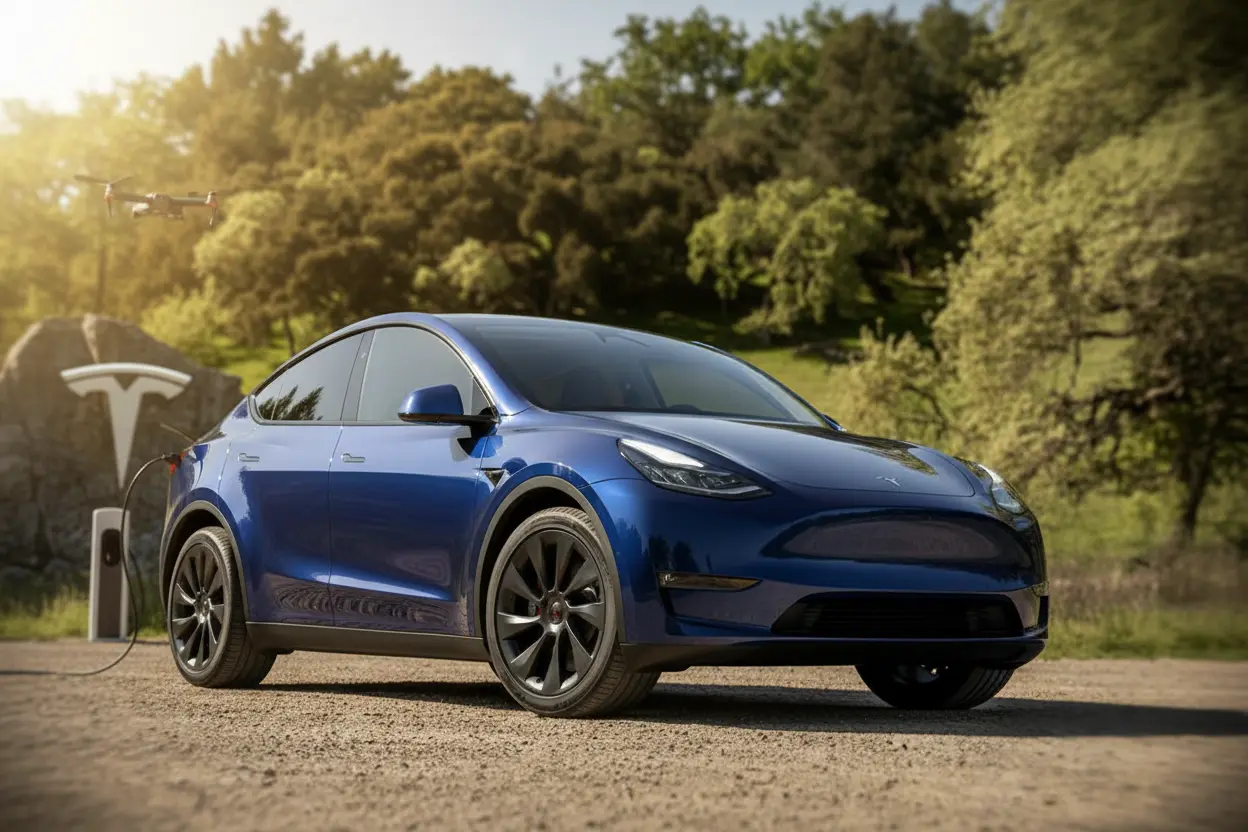
This isn’t the first time Gaitán has faced off against automotive industry giants. Previously, he won a legal case against Tesla concerning hidden defects in a vehicle—a case that not only secured recognition of damages for him, but also emboldened other consumers with similar grievances to step forward. The affair didn’t just hit a nerve with Tesla; it cast doubts on the quality of EVs from even the most renowned American manufacturers.
Bigger Than Business: Political Ripples and the Green Transition
Beyond the immediate money matters, the scandal threatens to spark significant political repercussions. Governments worldwide have been pouring resources into the green transition, championing electric vehicles as star players in the campaign to cut pollution and fight climate change. An episode like this, however, risks undermining public confidence:
- It could erode faith in policy-driven green transitions
- It might put the brakes on the widespread adoption of new sustainable technologies
When the very batteries—viewed as the beating heart of tomorrow’s mobility—are vulnerable to scams, people can’t help but wonder: can we really trust other alternative technologies, like hydrogen, to escape such pitfalls? This question looms large over an industry chasing not just innovation, but credibility.
Restoring Faith, Ensuring Sustainability
What’s the road ahead? The automotive sector faces daunting challenges in the coming months. To navigate this crisis and rebuild its reputation, there’s a pressing need for manufacturers and all industry players to raise their game:
- Implement severe quality controls for every stage of production and supply
- Commit to real transparency, ensuring only reliable and truly innovative components are used
- Work relentlessly to regain consumer trust
Lasting, sustainable mobility depends on this trust. Every scandal, like the saga of counterfeit batteries, is a bump in the road on our way to a cleaner, greener future.
So, next time you see a battery boasting “miracle” abilities, maybe give it more than a quick glance. In the world of green mobility, skepticism may just be your best co-pilot.

John is a curious mind who loves to write about diverse topics. Passionate about sharing his thoughts and perspectives, he enjoys sparking conversations and encouraging discovery. For him, every subject is an invitation to discuss and learn.