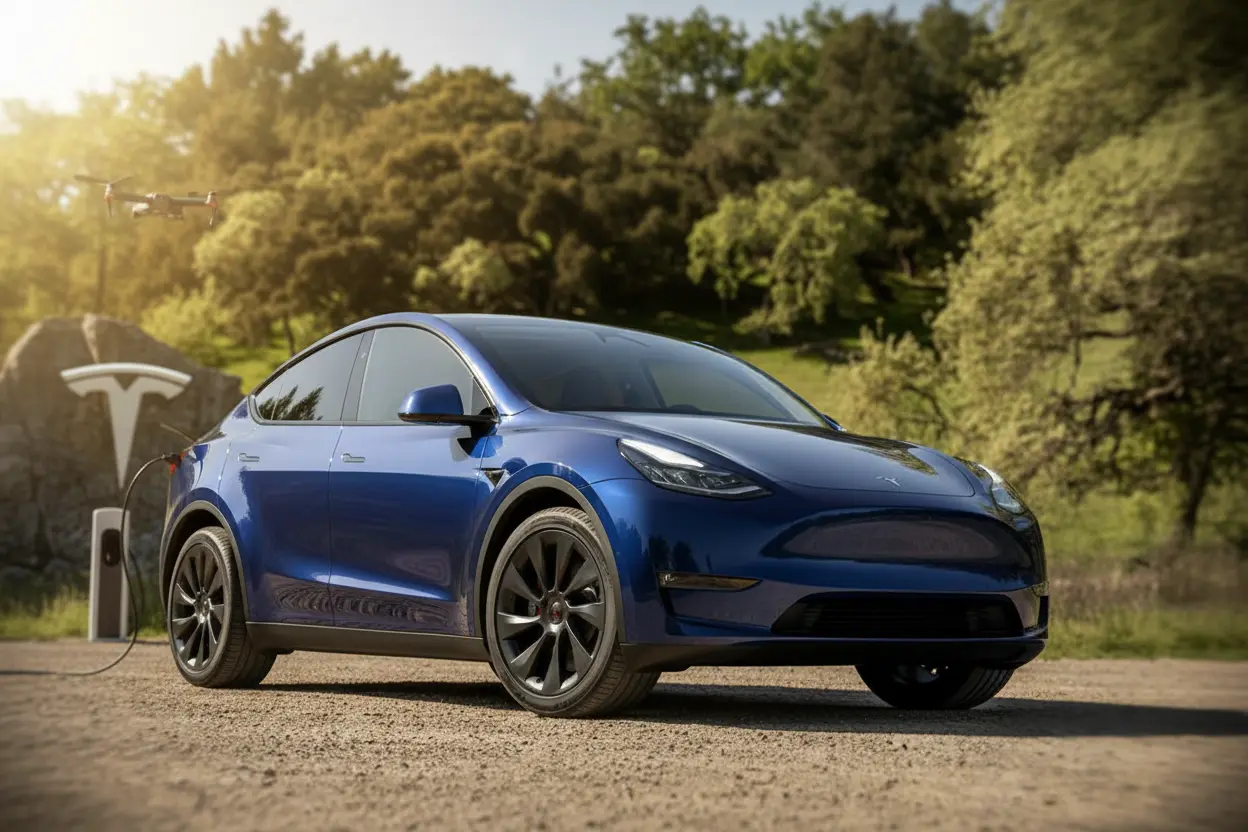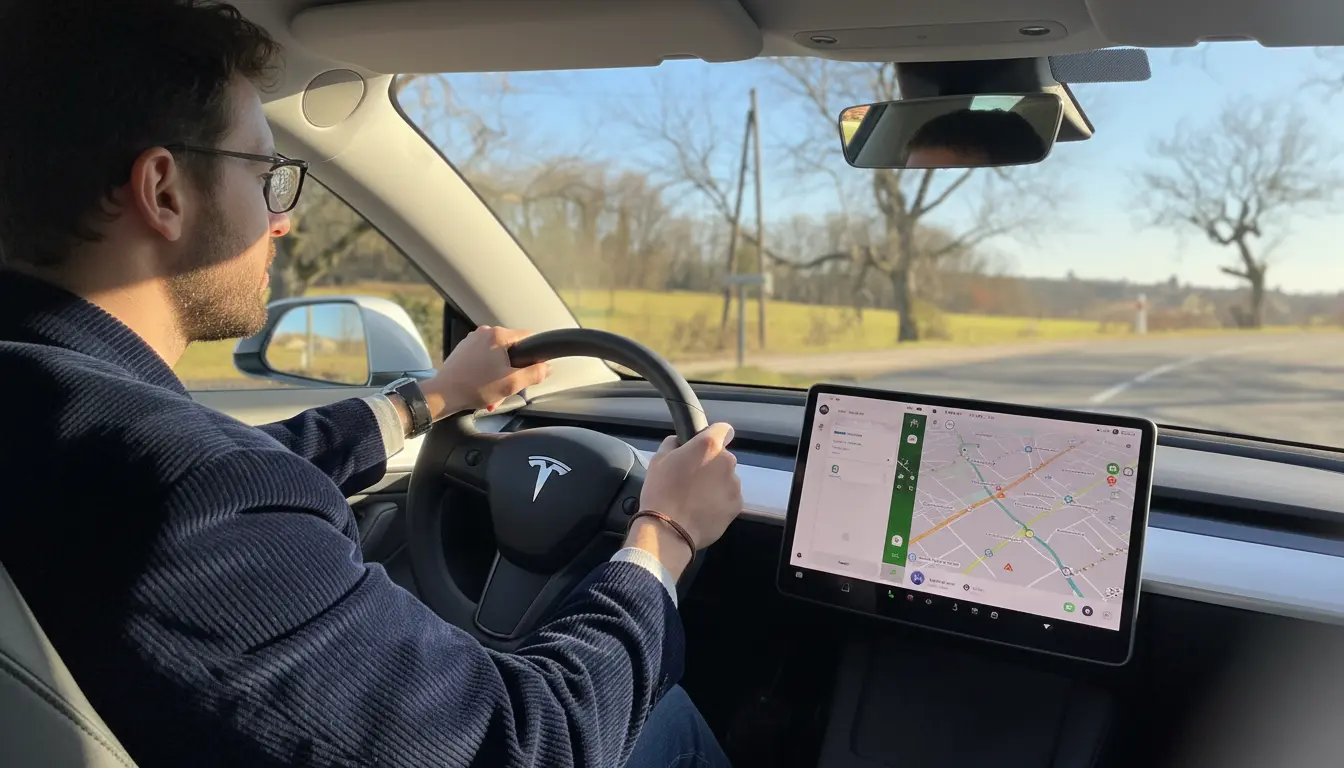
One year, 20,000 kilometers, and not a single drop of diesel: If you’d told me a year ago I’d no longer care about gas stations and oil changes, I would have laughed. But here we are—and honestly, I’m not looking back.
A Leap of Faith (With a Side of Skepticism)
When I announced I was swapping my old diesel car for a brand-new Tesla Model 3, nobody was convinced. Friends predicted I’d freeze stranded in the winter or spend my days chasing after elusive charging stations. My sister—having survived her own less-than-glamorous escapade with a Renault Zoe—reminded me constantly that ‘range anxiety’ wasn’t just a myth, but a cruel reality. Let’s just say the peanut gallery was alive and well.
Daily Life: The Truth About Range and Routine
According to the Ministry of Environment, the average motorist covers about 36 km a day. My Tesla’s real-life range of 400–500 km absolutely smothered my routine drives; I could do my daily commute nearly a week without blinking at a charger. Even for the longer trips, the legendary Tesla Superchargers and Ionity stations rendered my old range anxiety irrelevant. Just a few minutes’ stop topped me up with hundreds of extra kilometers—long enough for coffee, not enough for existential dread.
For the first few months, I relied purely on public charging stations, most commonly in shopping centers—some even free, a modern miracle. Later, I took the plunge and had a home wallbox installed, costing between €1,200 and €1,600 altogether. With a 7 kW Tesla Wall Connector, I plugged the car in at night and awoke every morning to a 100% full charge. How’s that for convenience?
- Average overnight electricity cost: €0.147 per kWh (thank you, time-of-use tariff).
- Full 60 kWh battery charge: Less than €9.
- Usable range per charge: 350–400 km.
The Cold, The Storms, The Unplanned Detours
Because life likes drama, my Tesla met everything from heavy snow and torrential rain to howling winds. Winter does shave 15–20% off the range, but pre-heating the battery before drives helps curb the damage. Not all was smooth sailing: once in southern France, I ran into three dead 50 kW chargers, forced to juice up with a painfully slow plug. Rare? Definitely. Annoying? You bet. But over the year these episodes were the exception, not the rule.
The Final Tally: Wallet, Convenience, and a New Kind of Freedom
Let’s talk numbers, shall we? For 20,000 km last year, charging set me back about €400. For the same distance in my old DS3, diesel would have cost around €2,500. That’s over €2,000 in savings—not even counting the famously lower maintenance an electric car enjoys.
- Electricity (20,000 km): €400
- Diesel, old car (same distance): €2,500
- Money saved: Over €2,000
- Maintenance: Noticeably less
After twelve months, it’s crystal clear: combustion engines are fossils, and charging at home, the smooth drive, and dramatically reduced costs have reinvented my relationship with cars. Charging networks do have room to grow, but the direction is set—forward, and fully electric. For me, electric isn’t some risky experiment. It’s already my reality.
So, if you’re still hesitating at the crossroads—or, like my sister, convinced range is pure fiction—trust me: I’ve been there, plugged in. The future might not be perfect, but it’s already here—and it runs quietly, on battery.

John is a curious mind who loves to write about diverse topics. Passionate about sharing his thoughts and perspectives, he enjoys sparking conversations and encouraging discovery. For him, every subject is an invitation to discuss and learn.