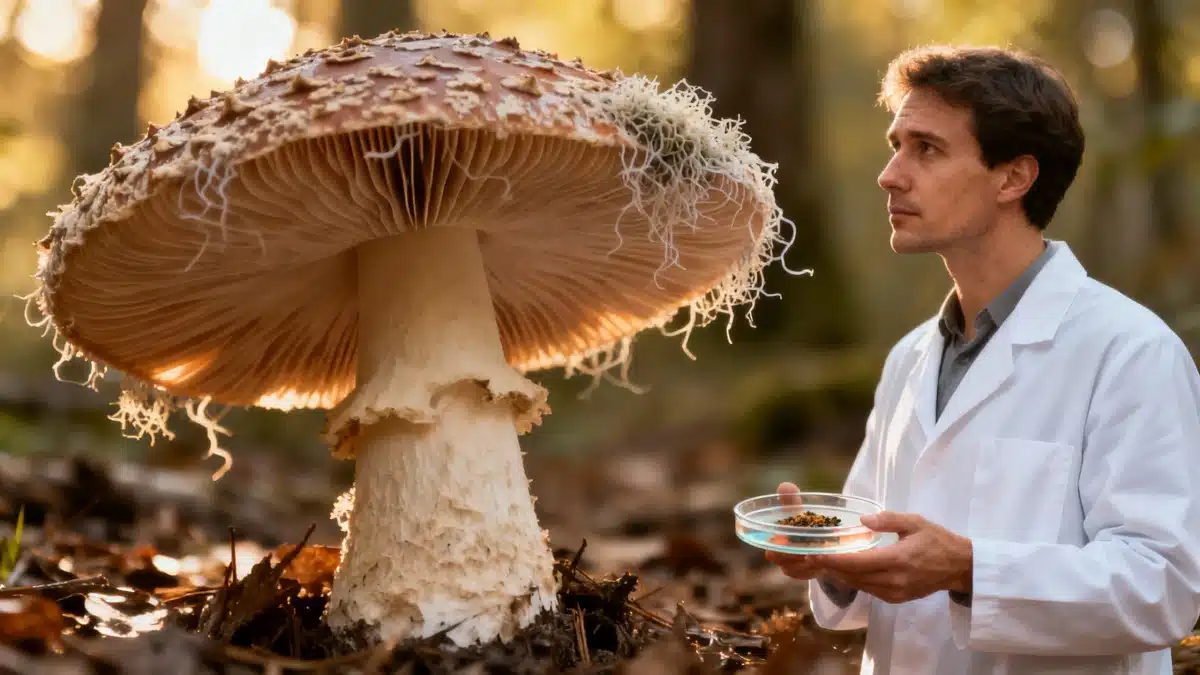
Picture this: a charming Savoyard ski village, tables laden with wild mushrooms, friends exchanging recipes—and lurking among them, an enigmatic killer. After a decade-long investigation that reads like a culinary detective story, science has unmasked a culinary culprit behind a shocking cluster of ALS cases. Yes, the infamous « false morel » finally stands accused.
A Medical Mystery in the French Alps
In Montchavin, nestled near the La Plagne ski resort in Savoie, France, a seemingly tranquil setting was the backdrop for an alarming pattern. In 2009, a local general practitioner found herself facing an unsettling trend: for the third time, she diagnosed a resident with amyotrophic lateral sclerosis (ALS), or Charcot disease—a rare and deadly neurodegenerative disorder. Startled, she called in specialist reinforcements.
What followed was a forensic medical investigation worthy of its own miniseries. The experts began combing through medical records and, to their amazement, identified eleven more ALS cases between 1991 and 2013. Half of those patients had already passed away. This concentration was all the more bewildering because the villagers shared no family ties—just ages ranging from 39 to 75 and, crucially, they all knew each other. One big, unfortunate group.
Chasing Shadows: The Search for a Cause
Such a rare disease appearing in an isolated cluster screamed for an explanation. Could it be something in Montchavin’s pristine Alpine environment? Investigators ran down every possible lead:
- Bacterial toxins or lead in the water?
- Radon gas in the homes?
- Air or soil pollution from pesticides or heavy metals?
Each lead was methodically explored. And each, ultimately, was a dead end. The trail seemed cold, until the story reached Peter Spencer—an Oregon-based toxicologist with a knack for unsolved medical mysteries and experience with similar cases on the Pacific island of Guam.
From Pacific Seeds to Alpine Fungi: The Breakthrough
In Guam, Spencer had previously investigated an outbreak of ALS tied to a local delicacy: the seeds of the Japanese cycad, or « petit rameau » in the Antilles. The seeds were traditionally consumed and found to be laced with neurotoxins, ultimately blamed for a surge in ALS cases. Drawing on this, Spencer suspected a toxic exposure might be behind the Montchavin mystery.
But this time, it wasn’t mysterious seeds. When the American and French team broadened their focus, they pinpointed a common thread: the consumption of the giant false morel, Gyromitra gigas—a wild mushroom banned from sale in France since 1991 due to its potential toxicity. This humble fungus isn’t just any mushroom: it contains toxins with similar action to those found in cycad seeds.
The findings, published in the Journal of Neurological Sciences, were striking. All 14 ALS patients had consumed the false morel—often at hearty local gatherings—years before their diagnosis. Villagers without ALS did not share this dietary history. Several patients could even recall unpleasant bouts after generous meals that mixed authentic morels with their more dangerous look-alike. The taste of tradition, it seems, sometimes comes with a side order of risk.
A Pattern Beyond France: Fungi Under Suspicion
This wasn’t an isolated Alpine affair. In Finland, a spike in ALS was observed in a region where the false morel is also considered a prized dish. There, too, researchers raised red flags about the culinary allure of Gyromitra. Meanwhile, back in Guam, the local ALS rate plummeted after cycad seeds were struck off the menu—a sobering testament to the impact of food choices on neurological health.
- The link between food and neurodegenerative disease? Sudden, but not unprecedented.
- Avoidance of certain local ingredients correlates with a drop in illness.
- Enjoying wild plants and mushrooms may require more caution than most dinner parties allow.
So, next time you’re tempted to impress guests with a “wild” mushroom dish, remember Montchavin’s cautionary tale. In the world of fine dining, not all morels are created equal—and sometimes, the best recipe is one that leaves the false morel out of the pot entirely.

John is a curious mind who loves to write about diverse topics. Passionate about sharing his thoughts and perspectives, he enjoys sparking conversations and encouraging discovery. For him, every subject is an invitation to discuss and learn.