Do you ever feel like your cat’s ignoring you on purpose, as if you’re a background character in the grand drama of their life? Before you declare feline defeat, here comes science with some surprising news: your cat’s hearing you. And with the right moves, you might just see them sprint over the next time you call—fur, whiskers, and all.
Cats Aren’t Indifferent: Science Sets the Record Straight
Cats have a reputation for being aloof, especially when compared to the tail-wagging fan club that is the average dog. But recent research shatters that stereotype. A scientific study has shown that these mysterious little felines aren’t oblivious to your efforts to get their attention. The truth? Your cat notices when you call. The catch: They simply don’t always respond the way you want.
Understanding your cat’s unique language and preferences isn’t just a quirky hobby—it’s the key to actually grabbing their attention. This recent study digs deep into how cats react to our communication attempts, and yes, there’s a method to the madness.
Inside the Cat Café Lab: How Researchers Decoded Feline Attention
Forget sterile labs! Researchers from the University of Paris-Nanterre took their study to a cat café, a place where cats lounge, nap, and judge humans with plenty of style. Here, surrounded by both coffee lovers and kitties, the researchers explored how to most effectively catch a cat’s eye—and ear.
The results may surprise you: Cats are sensitive to our signals, but (no shocker here) they don’t all react the same way. However, while individuality reigns supreme, certain tricks do seem to work more reliably than others.
The Secret Sauce: Combining Visual and Vocal Signals
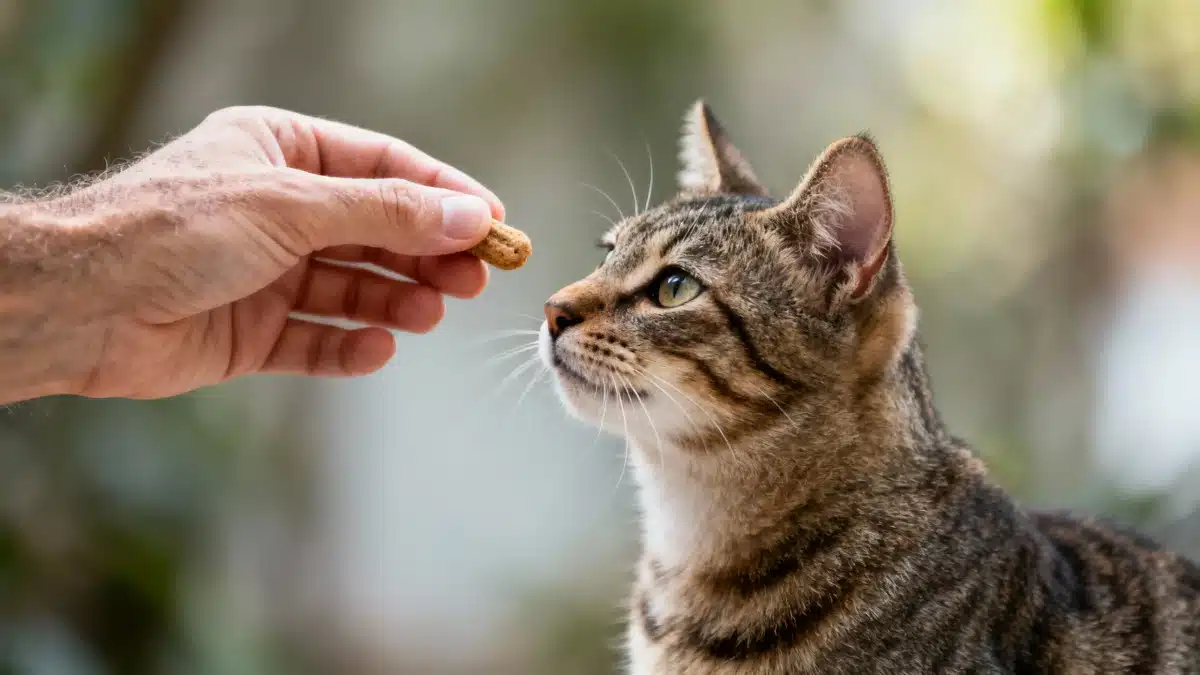
Cats may have independent streaks a mile wide, but they’re also social animals with a finely tuned sensitivity to their environment. What the researchers discovered is simple yet powerful: The best way to catch a cat’s attention is to use both your voice and physical gestures simultaneously.
When you call and use a visual signal together—think hand movements or perhaps the subtle art of jazz hands—your cat’s curiosity is piqued. This dynamic duo of stimuli not only grabs their attention but tends to prompt a quicker response. Essentially, you’re doubling your odds.
- Always combine clear vocal cues with visual ones.
- Don’t rely on sound alone—mixing methods works best.
Does “Pff Pff” Ring a Bell? Culture Counts When Calling
Cultural quirks matter, even in the cat world. In France, people tend to use the onomatopoeic “pff pff” sound to call a cat. Science gives this tradition a thumbs up: This sound seems particularly effective because it mimics natural noises that intrigue cats. Elsewhere, the “pspsps” is all the rage. The key is picking a sound that suits your region—and your kitty’s curiosity.
- « Pff pff » often works well, especially in France.
- In other countries, try “pspsps” for best results.
Whatever the language or sound, your cat is more receptive than its poker face suggests. The science-backed trick: blend verbal cues with an obvious gesture, and watch the magic happen.
Final Thoughts: Build the Bond, Get the Response
Maybe cats won’t line up every time you call—let’s be honest, that’s part of their charm. But armed with this research, you’re empowered to grab their attention and boost your bond. It comes down to this:
- Combine visual and vocal cues every time you call.
- Avoid sticking to just one communication style.
- Adapt to your own cat’s quirks and needs—after all, every feline has its own personality.
In short, your cat is not ignoring you just for fun (well, not always). With a little science, some well-timed “pff pff” or “pspsps,” and a wave of your hand, you’ll soon have their delighted attention. Who knows? You may even earn a slow blink of approval.

John is a curious mind who loves to write about diverse topics. Passionate about sharing his thoughts and perspectives, he enjoys sparking conversations and encouraging discovery. For him, every subject is an invitation to discuss and learn.