An industry on fast-forward, one giant stalling: while most European carmakers speed ahead to hit strict CO2 targets, Mercedes-Benz is in the slow lane—and experts warn Europe as a whole risks trailing dangerously behind bold international rivals. The race to cleaner transport is heating up, but who’s losing engine power just as the pressure really mounts?
Most European Carmakers on Track—But Mercedes Lags Behind
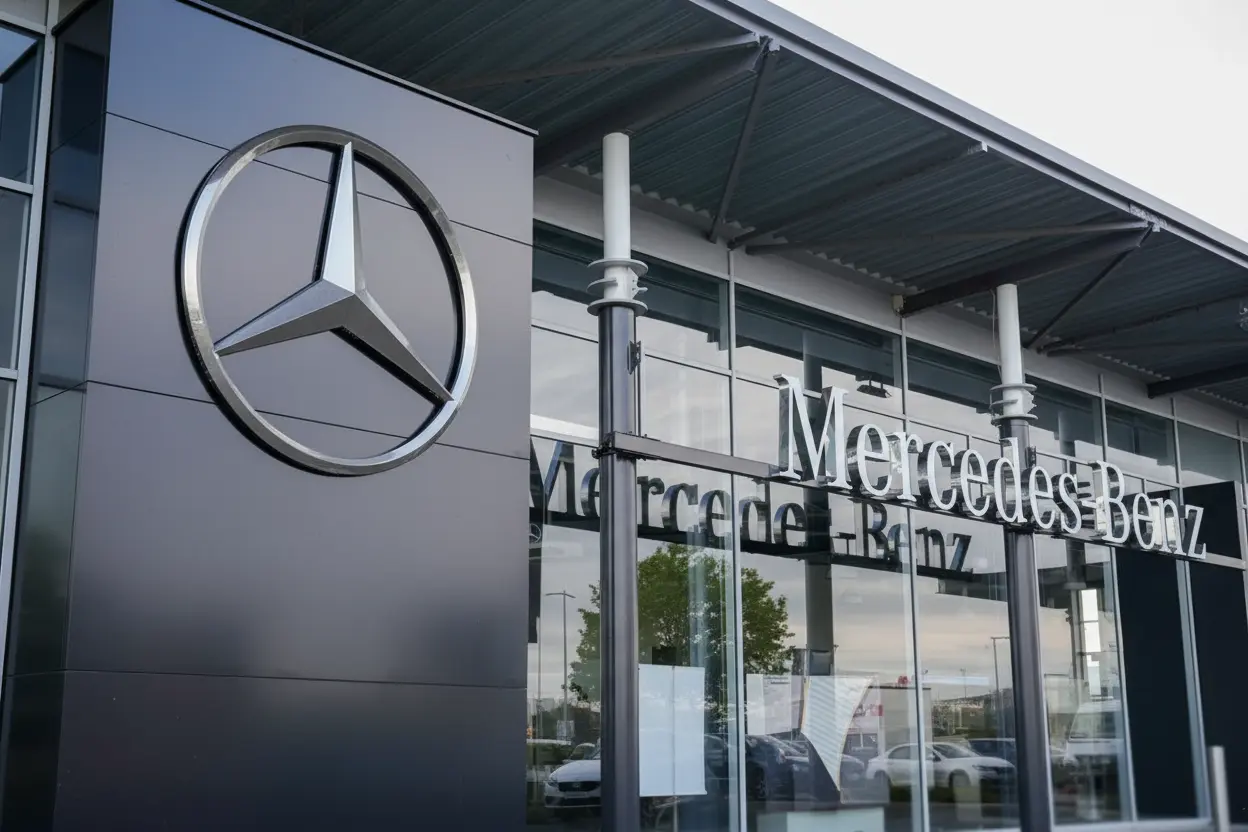
According to a fresh analysis from Transport & Environment (T&E), nearly all European automakers are on course to achieve their CO2 targets for 2025 to 2027. That’s right, the vast majority seem to have their carbon ducks in a row. But there’s a notable exception: Mercedes-Benz. While competitors like BMW, Renault, Stellantis, and Volkswagen either meet or are well below the European regulations, Mercedes risks overshooting by an average of ten grams of CO2 per kilometer. That’s a substantial gap in an age where every gram counts (and costs).
To steer clear of eye-watering fines, Mercedes will likely need to resort to CO2 pooling—essentially buying emissions rights from carmakers like Volvo Cars or Polestar. Consider it a form of regulatory teamwork, but one that comes with hefty price tags and doesn’t do much to polish one’s green credentials.
Regulatory Deadlines: Relief or Roadblock?
Some may find it ironic that even with extra time granted by the European Commission, this challenge still looms. The original deadline for meeting these green goals was set for 2025, but has now been stretched to 2027. The industry isn’t exactly protesting—many have welcomed the relaxation. However, critics are far from convinced. They argue that this extension brakes the transition to electric vehicles and could jeopardize Europe’s ambitious climate targets. In a time when quick action is the name of the game, more slack may mean losing the competitive edge.
EV Sales Rise as Price Gaps Bite
On the bright side, the European electric vehicle market is far from stalling. Sales of battery-electric models surged by 38 percent in the first half of 2025 alone. Yet, T&E expects that the postponed regulations will result in about two million fewer EVs sold between 2025 and 2027. The culprit is clear: the price gap between electric and combustion-driven vehicles, which has ballooned to 30 to 40 percent. Even bargain-hunters know, that’s a chasm that’s hard to leap.
Still, not all news is bleak. Some positive trends are charging forward:
- Battery prices are falling faster than anticipated—down an estimated 27 percent by the end of 2025, with a further 28 percent drop expected by 2027.
- Europe’s charging network now covers 77 percent of its highways, and almost all member states have already met or surpassed their 2025 targets for infrastructure expansion.
With these winds at their back, you’d think the industry would be racing toward full electrification. But the reality suggests that without firm deadlines, momentum may fizzle.
A Global Race: China Accelerates, Europe Hesitates
Pressure to keep pace is mounting—not just from regulators, but from the roaring engines of international competition. China now boasts a battery-electric vehicle (BEV) market share of over 30 percent. At the same time, ambitious electric strategies are taking root in India, Mexico, and Thailand. The message from T&E is unambiguous: without strict targets, Europe risks losing out in the global EV stakes.
T&E’s Director Lucien Mathieu offers a stark warning to European manufacturers, cautioning them not to hide behind delays. In his words, « Anyone who thinks China will stop innovating is living in a dream world. If Europe keeps lagging, we will once again lose ground in a crucial industry. » The takeaway? This is no time for a Sunday drive—Europe’s auto sector must keep its foot on the accelerator or risk falling behind faster, cheaper, and cleaner rivals.
For now, Mercedes-Benz remains the only major European carmaker in danger of missing CO2 goals. With battery prices dropping and charging infrastructure thriving, the tools for success are in place. But with industry pressure reduced due to postponed deadlines, the temptation to slow down is real.
Europe stands at a crossroads: stick to the roadmap and seize sustainable mobility, or risk running out of road in the global green revolution.

John is a curious mind who loves to write about diverse topics. Passionate about sharing his thoughts and perspectives, he enjoys sparking conversations and encouraging discovery. For him, every subject is an invitation to discuss and learn.