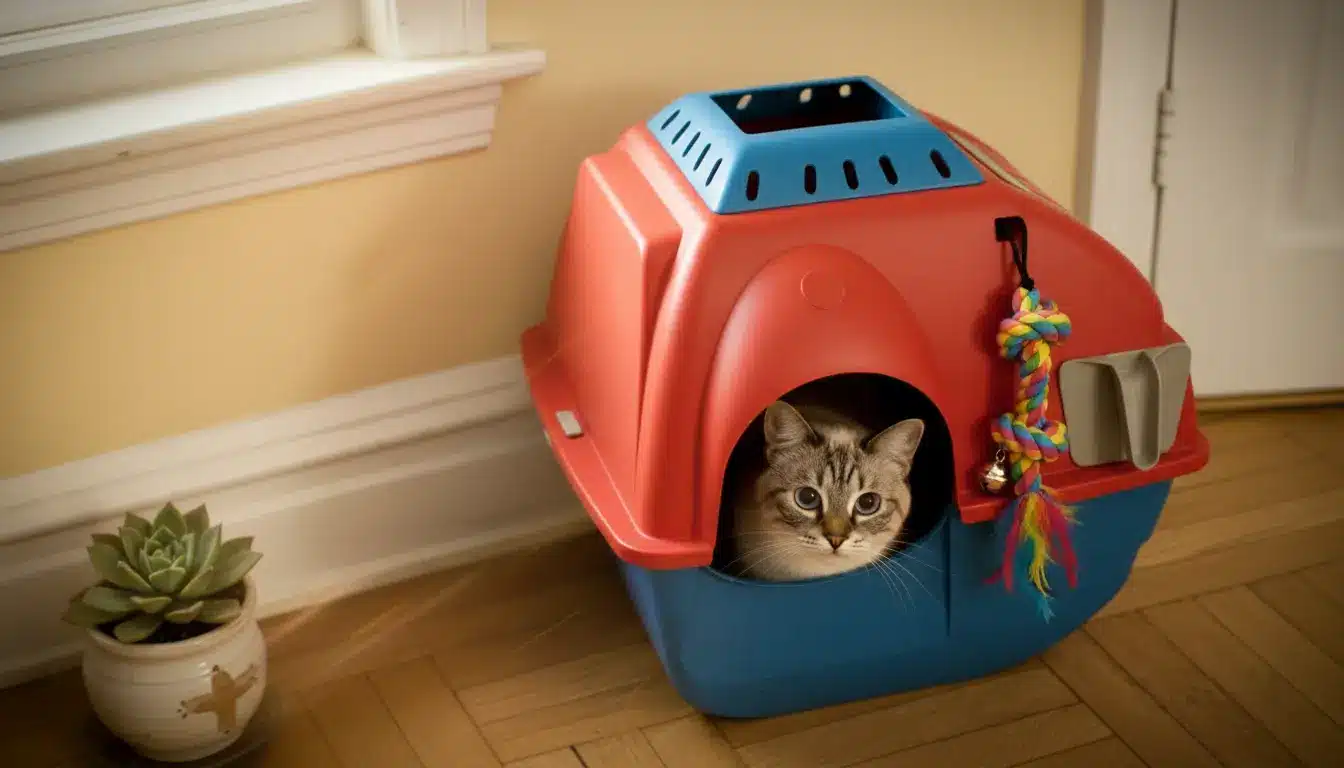
It sounds like science fiction: the very parasite that makes us wary of our feline friends’ litter boxes could be the key to finally sneaking medicines past the notoriously strict blood-brain barrier. Researchers are now eyeing Toxoplasma gondii—the microscopic troublemaker known for its love affair with cats—as an unlikely but powerful delivery agent for drugs targeting the human brain. Who would’ve thought cat poop might hold the answer to some of medicine’s most stubborn neurological puzzles?
The Brain’s Unyielding Gatekeeper
The blood-brain barrier is, to put it politely, a real stickler. This is the body’s security checkpoint controlling the passage of substances between the bloodstream and the brain. It’s so thorough that most molecules—whether friend or foe—don’t get a free pass. For many promising medicines, this barrier remains an almost insurmountable hurdle: scientists are still laboring, sometimes in vain, to find reliable ways to help crucial drugs slip past this high wall and reach the brain where they’re needed most.
Enter Toxoplasma gondii: The Unexpected Brain Burglar
According to New Atlas, one of the most intriguing candidates for this task comes straight out of the cat’s digestive tract. Toxoplasma gondii is the chief agent behind toxoplasmosis, an infection that’s particularly concerning for people with weakened immune systems or those who are pregnant. Its definitive hosts are cats, as it can reproduce only inside their intestines. Exposure—via poorly cooked meat or, less charmingly, contact with cat feces—can start a chain reaction that allows the parasite to travel throughout the entire human body, including right into the brain.
Once inside, Toxoplasma gondii doesn’t just sit pretty. It releases proteins that can affect its host’s behavior in odd and striking ways:
- Mice infected with the parasite lose their fear of cats and become surprisingly bold, often putting themselves in harm’s way.
- These fearless mice are also more attractive to potential mates—a perk that comes with its own dangerous baggage.
- Interestingly, similar behavioral changes have been observed in humans exposed to the parasite.
But it’s not the odd mouse romance or thrill-seeking behavior that scientists are after: what made Toxoplasma gondii stand out is its uncanny ability to cross the blood-brain barrier almost effortlessly. Where so many medicines are left pounding at the door, this parasite waltzes right in.
Hijacking the Parasite for Good
It didn’t take researchers long to hatch a bold idea. If Toxoplasma gondii can cross the blood-brain barrier so easily, why not repurpose it as a kind of microscopic delivery van? The main goal: use the parasite to ferry much-needed drugs to the other side of the barrier, a space most medicines can only dream of reaching.
An international research team manipulated Toxoplasma gondii for therapeutic intervention. Their mission: get the parasite to produce a specific protein known as MeCP2, which has been tagged as a promising candidate for treating Rett syndrome—a severe genetic neurological disorder.
The results? A resounding success. Not only did the parasite manufacture the protein as intended, but it also delivered its precious cargo directly across the blood-brain barrier without a hitch. With the proof of concept in hand, scientists are now gearing up for new tests, hoping this method can be extended to tackle other formidable neurological illnesses, including Parkinson’s and Alzheimer’s diseases.
Until now, researchers had explored a whole arsenal of delivery ideas: magnetic nanoparticles, robotized cells, even bee venom—each with their own quirks and challenges. None, it seems, has shown quite the same potent mix of effectiveness and practicality as these mischievous microbes.
A Parasite Tamed—or Still a Threat?
Before you invite your neighborhood cats over as science lab assistants, there’s one important caveat. Toxoplasma gondii is, after all, still a parasite capable of causing trouble in the human brain. The research community agrees on one big issue: a reliable method must be developed to deactivate or neutralize the parasite once it’s finished its courier job. It would be a shame to solve one medical problem only to add another with even more gnarly consequences. So, while this breakthrough offers hope—and perhaps a second look at the creatures behind our favorite internet videos—scientists have a crucial finishing touch: taming the parasite’s dark side.
The takeaway? Revolutionary breakthroughs sometimes emerge from the most bizarre corners of nature. Cat owners, don’t panic: your furry friends are not about to become global health heroes or villains. For everyone else, keep an eye on this research. The next paradigm-shifting medicine delivery system might just owe its existence to something scooped out of a litter box.

John is a curious mind who loves to write about diverse topics. Passionate about sharing his thoughts and perspectives, he enjoys sparking conversations and encouraging discovery. For him, every subject is an invitation to discuss and learn.