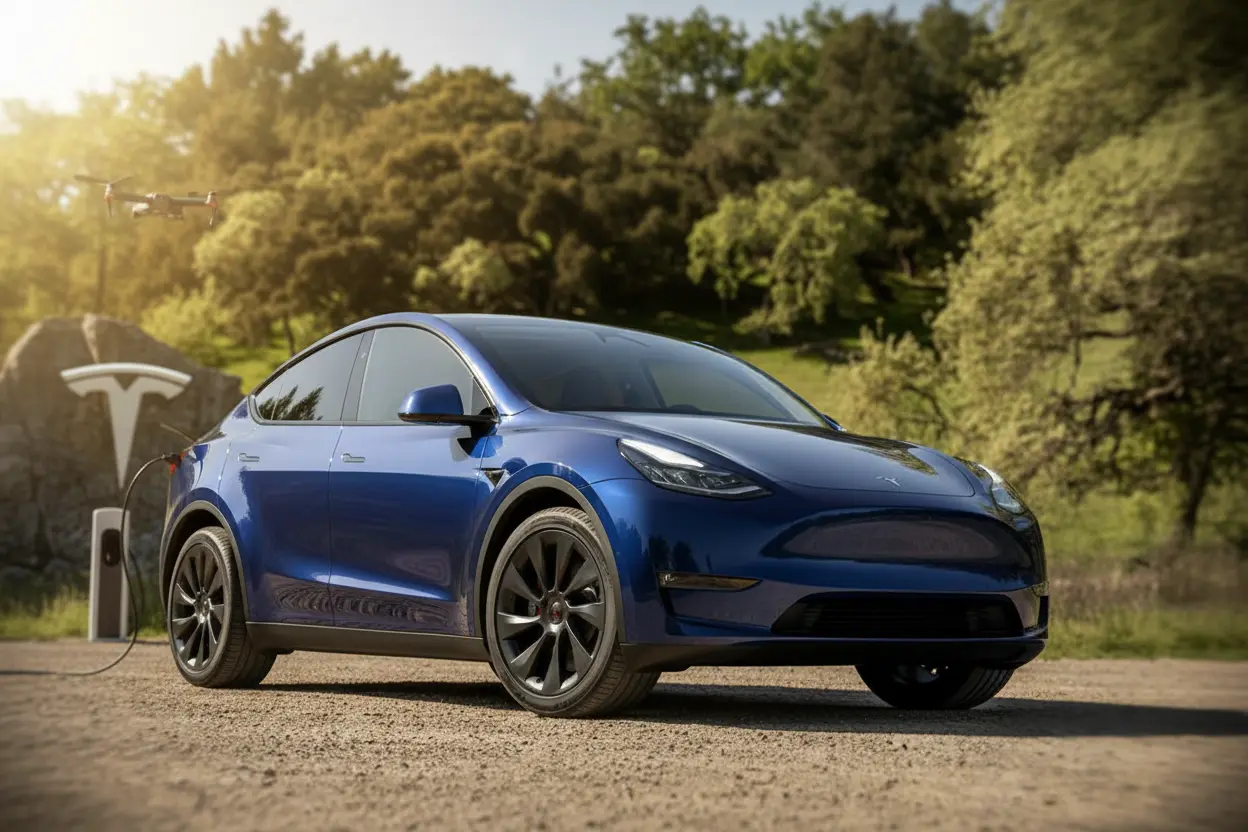
Was your dad right when he said his old Mercedes could outlast the apocalypse while modern cars flounder at the first sight of a warning light? The age-old debate about car reliability is more relevant—and nuanced—than ever. Let’s pop the hood on the real story, away from rose-tinted nostalgia and into what the latest data reveals about classic Mercedes, Toyotas, Volvos and their modern counterparts—including those whirring new EVs.
The Doubling Mirror: Measuring Faults in 2024
If you look solely at breakdowns and malfunctions, the answer isn’t as black-and-white as vintage motoring ads made it seem. On one side, young electric vehicles (EVs) are, according to real-world practice, less prone to failures than classic petrol and diesel models. The secret sauce? Fewer moving parts means fewer chances for things to go spectacularly wrong. AutoWeek refers to recent ADAC figures showing that younger EVs, on average, are more reliable than cars with combustion engines.
But don’t break out the champagne yet. The flip side is that software and driving assistance systems (yes, all those beeps and bings) are breeding new kinds of headaches. Rapid electrification, combined with the introduction of Advanced Driver Assistance Systems (ADAS), brings its own hiccups. These are mainly electronic quirks rather than blown engines, but problems nonetheless.
Why Are Absolute Breakdown Numbers Rising?
Step back, and the context changes things. Rising absolute breakdown statistics don’t just mean cars are less reliable now. The increase is partly because there are simply more cars (and older ones) out there, driving more frequently. The ANWB clocked over 1.3 million roadside assistance actions in 2024—about 3,700 call-outs per day. Persistent culprit? The humble 12V battery, still causing headaches.
All this complicates that old-versus-new comparison: there’s more traffic, more electronics, and a denser web of monitoring. It’s not that every new car is off to the scrapyard before its first oil change.
What Made the Old Guard So Trustworthy?
Classic Mercedes, Toyota, and Volvo models admittedly built their reputations on sheer simplicity and generous safety margins:
- Minimal electronics
- Oversized (some might say tank-like) components
- Plenty of mechanical tolerance
These design choices left little to go wrong.
Modern cars, by contrast, take an entirely different route: lighter, more efficient, jam-packed with innovative functions—hello, heated steering wheel and streaming apps. While this means a greater risk of minor software bugs, the core mechanical parts are often sturdier than ever.
Here’s something that might surprise you: new cars need fewer trips to the workshop. The ANWB notes that the traditional “major” and “minor” services have essentially faded away, replaced by much longer maintenance intervals (up to 30,000 km or more). No chance you’d have found that on your street in the nineties.
Brand Differences: Nostalgia Versus Data
Some stereotypes hold true for a reason. Toyota continues to rank consistently high in reliability surveys, both then and now, explaining the stubborn fondness for “old Japanese cars.” Recently, NU.nl summarized a Consumentenbond survey finding Japanese brands once again topping the reliability charts.
But don’t write off modern European models. Their issues are often minor software glitches easily erased with a quick update, not catastrophic failures requiring engine overhauls.
So, Was the Past Really More Reliable?
Mechanically, yesteryear’s cars were indeed simpler and at times more generously built—there was less that could go kaput. But objectively, the overall picture is mixed:
- Modern EVs often perform well in reliability stats
- Service intervals are longer than ever
- Many faults in today’s cars are solved by software tweaks
Simultaneously, the digital layer brings more notifications and irritants that wouldn’t have blinked on an eighties dash.
Here’s your road-ready takeaway: when shopping for a car, dig into brand and model history, check support for over-the-air updates, warranty length, and recent reliability data—not just the warm feeling of glossy nostalgia. Today’s reliability comes from up-to-date knowledge—not faded stories of yesterday’s heroes.

John is a curious mind who loves to write about diverse topics. Passionate about sharing his thoughts and perspectives, he enjoys sparking conversations and encouraging discovery. For him, every subject is an invitation to discuss and learn.