For decades, Mercedes-Benz and luxury were like wine and cheese—inseparable, and oh-so-decadent. But if you’ve tuned in recently to hear CEO Ola Källenius speak, prepare for a surprise: luxury has been quietly shown the door, replaced by a cozy trio of comfort, security, and homeliness. This isn’t just a branding blip; it’s a fundamental pivot at Mercedes. The pressing question: can reinventing itself this boldly keep the three-pointed star gleaming?
Luxury Out, Comfort In: A Shift in the Mercedes DNA
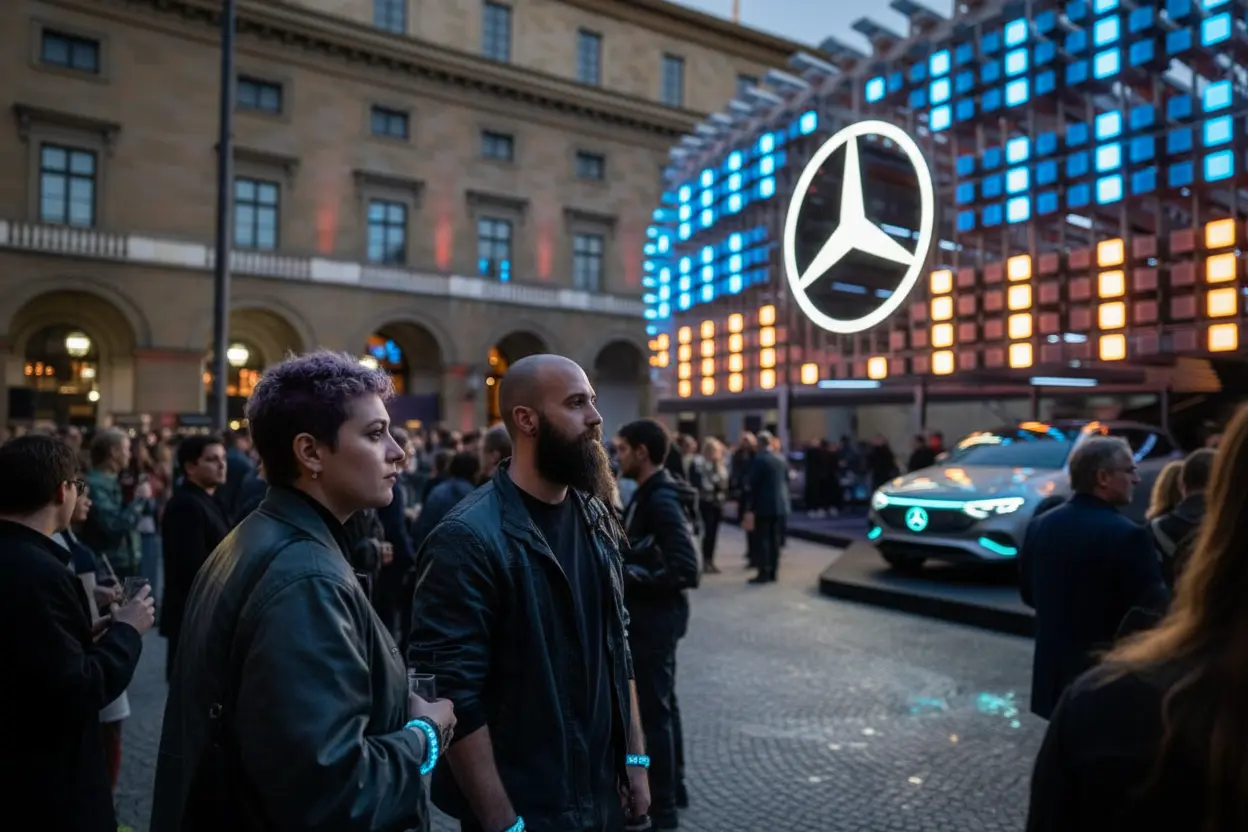
There was a time when Källenius likened his brand to fashion giants like Hermès and Louis Vuitton. His pièce de résistance? The famed “Birkin Bag” metaphor, making it clear that a Mercedes should feel like an exclusive designer bag—chic, coveted, unattainable for most. Yet today, the L-word seldom passes his lips. Instead, at the premiere of the electric GLC, he talked only of comfort and a sense of “coming home.”
This isn’t just about PR. It signals a broader course correction after years of high-gloss aspirations. Källenius has even eased off the once-touted “electric only” ambition for 2030, now favoring a market-driven, flexible approach and unashamedly questioning Brussels’ firm ban on new combustion engines from 2035, which he calls too rigid. Emission-free mobility, he insists, remains the end goal, but how we get there? Not so set in stone.
Storm Clouds: Market Realities Bite Back
Why the sharp turn? Crunch the numbers, and it’s not hard to see. Mercedes faces stormy seas in 2025. China, for years the engine of its growth, has hit the brakes—sales plummeted by 14% in just the year’s first half. Once upon a time, the S-Class was the ultimate status symbol for China’s elite. Now, customers are opting for Xiaomi, Huawei, or Xpeng, with similar tech at a fraction of the price.
The fallout?
- Shrinking volumes
- Tight margins
- An eroded aura of automatic prestige
Profitability this year hovers between four and six percent—a far cry from the golden pandemic years, when margins soared up to fifteen percent. Mercedes is suddenly living in a world where its success is anything but guaranteed.
Relaunch: Mercedes Bets the House on Innovation
To get its sparkle back, Mercedes is launching the biggest product offensive in its history. We’re talking over forty new models by 2027. The curtain rises with the fully electric GLC boasting a range of over 700 kilometers and a snazzy 800-volt architecture—a technical muscle-flex meant to erase those nagging e-mobility gripes.
Right on its heels come an electric C-Class (promising 800 kilometers on a single charge), a fresh S-Class, compact newcomers like the GLB and GLA, and even an electric E-Class to replace the lackluster EQE. Insiders see the GLC as Mercedes’ do-or-die moment: if it flops, the gap behind BMW and Tesla could only widen.
But Mercedes isn’t just battling at the top end. It’s patching up the lower rungs too. Scrapping the A- and B-Class cars drew plenty of flak, especially while rivals push affordable EVs at young buyers. Message heard: Källenius is keeping the A-Class alive for now, with a successor on the horizon—name to be determined.
Sales chief Mathias Geisen summed it up at the IAA: there will always be an entry model in the Mercedes-Benz world. For a brand aiming to lock clients in for life, that’s a monumental correction.
Leadership Shuffle: Everything on the Line
The shake-up isn’t only rolling through the product lineup. Källenius is rearranging his executive team, with confidante Britta Seeger moving to HR, Mathias Geisen tightening up pricing strategy, and Oliver Thöne becoming the new point man for China, a market vital to Mercedes’ future. Meanwhile, development chief Markus Schäfer may be on his way out now that his platform projects are complete. Bold moves? Definitely. But clearly, internal pressures are mounting.
Källenius himself stands at a crossroads. His contract now comes in short bursts, renewed on a limited-term basis, and the supervisory board is watching results with a magnifying glass—especially in China. Still, in a recent interview, he smiled and quipped that he’s “just temporarily appointed,” insisting his focus is on his team’s success and Mercedes’ future, not his own job security.
Comfort over status. Safety over sparkle. Mercedes is searching for its soul amid shrinking margins and slipping prestige, with everything riding on the ambitious launch of forty new models. Will this daring transformation restore the star’s shine—and secure Källenius’ own place at the helm? The clock is ticking. Grab your popcorn.

John is a curious mind who loves to write about diverse topics. Passionate about sharing his thoughts and perspectives, he enjoys sparking conversations and encouraging discovery. For him, every subject is an invitation to discuss and learn.