Electric bike lovers, brace yourselves: new regulatory winds are blowing, and they’re stirring up more than just a light headwind. While industry groups argue about the future of assisted cycling, accusations of behind-the-scenes maneuvering are making the debate anything but smooth-sailing. Strap on your helmet—this ride is going to get bumpy!
New Limits on the Horizon: What’s Being Proposed?
Recently, the German bike industry association, ZIV (Zweirad-Industrie-Verband), dropped a regulatory bombshell that’s sparked a lively—and let’s face it, heated—debate within the electric bike sector. The association is calling for new restrictions on electric assist systems:
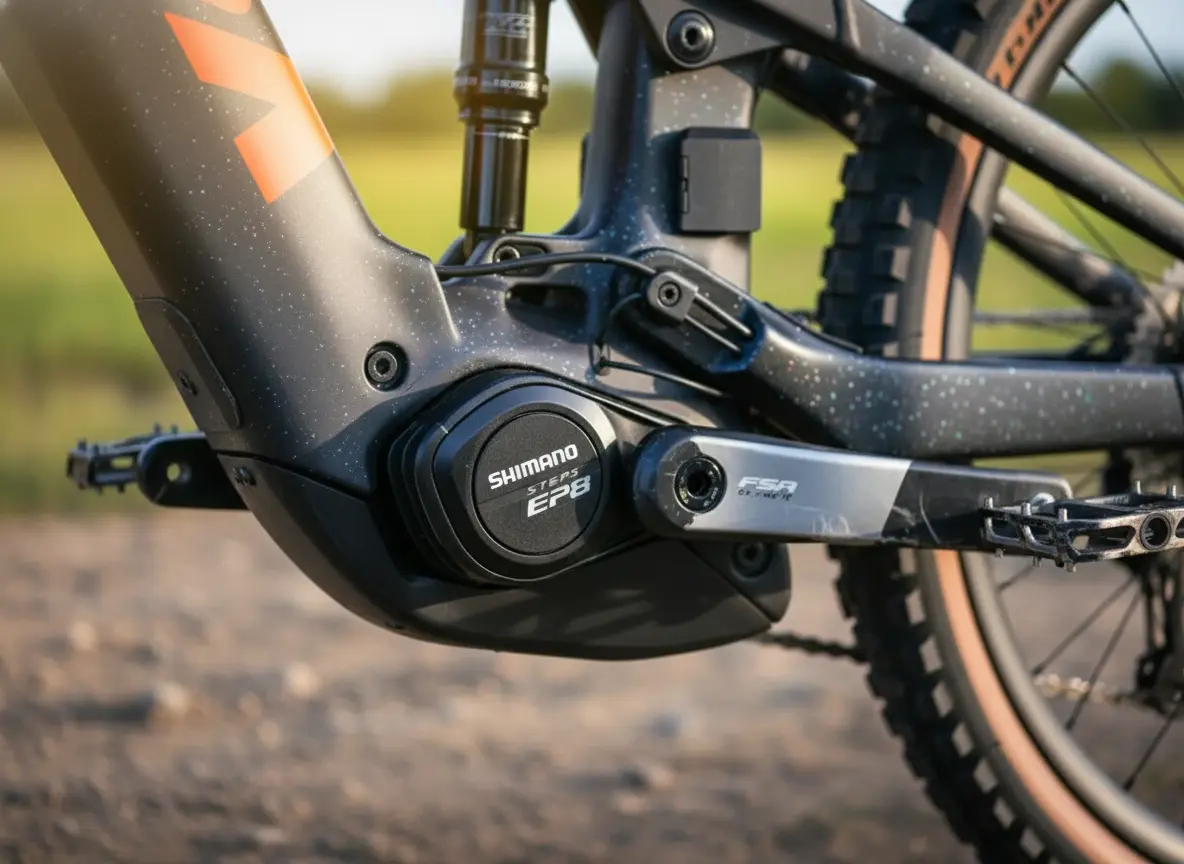
- Electric motor assistance would be capped at a 1:4 ratio—so for every 100 W the cyclist delivers, the motor could kick in with a maximum of 400 W extra.
- The absolute maximum motor assistance power would be set at 750 W, a sharp rise from the current 250 W nominal limit, but with a catch: no more turbo-charged e-bikes beyond that peak!
According to the ZIV, these measures are necessary to ensure that e-bikes hold onto their traditional « bicycle » DNA. (No word yet on whether they’ll require bell ringers and baguette baskets!)
Industry Reactions: Accusations, Disappointments, and Dismay
However, not everyone in the industry is popping champagne over the announcement. Critics are voicing concerns that these new limits could hamper the performance of certain bikes—especially cargo models and bikes used by people with disabilities, who sometimes need more robust assistance for daily commutes or professional tasks.
At the center of the storm sits Bosch, Europe’s heavyweight champion of electric bicycle motors. Bosch is now under fire from various industry experts, accused of flexing undue influence over ZIV’s decisions. The twist? Bosch doesn’t manufacture motors exceeding 750 W peak, leading critics to suspect a little self-interest is at play. (Coincidence? The debate sure thinks not.)
Annick Roetynck, director of LEVA-EU (Light Electric Vehicle Association), has not minced words: « This is pure protectionism, » she states. Roetynck warns that the proposed limits could put the brakes on powerful new e-bike developments—potentially crucial for urban logistics or for carrying people.
She highlights
the negative impact such restrictions could have on those needing more powerful motors. People with disabilities may find themselves unable to use certain e-bikes if these new power caps hit. This is more than just an industry squabble—it’s about practical, everyday needs of riders who rely on high performance for transportation, work, or autonomy.
A Battle of Giants: Innovation vs. Market Interests
The voices of concern don’t end there. Hannes Neupert, a seasoned veteran in the electric bike sector, hasn’t held back, either. He openly criticizes Bosch, accusing the company of « protecting its commercial position by preventing other companies from gaining market share »—in other words, slowing down innovation to safeguard its own economic interests.
According to Neupert, ZIV’s true motivation is less about safety or fairness and more about heading off competitors developing more powerful motors. He suggests their justification of « dangerous competition » is just a convenient disguise for shielding incumbents from upstarts. It’s the classic cat-and-mouse of established giants vs. eager challengers.
ZIV, for its part, has tried to downplay the controversy. The organization stresses this isn’t just Bosch’s position, but the fruit of lengthy consultation with all 140 of its members. Bosch, meanwhile, says it’s taken an active role in working groups, but directs further questions back to ZIV. In these moments, nobody seems to want to be the villain—or the only one holding the steering wheel.
Beyond Industry: The Political Road Ahead
As technical jostling escalates, the debate may soon speed into the political arena, with the European Union reportedly weighing a review of its regulations on light electric vehicles. Far from academic, what’s at stake is the future of electric bike usage: bikes that could become less powerful, less accessible, and potentially out of reach for those needing robust options for urban transport or special needs.
This debate highlights not only technological but also political and economic challenges for the rapidly growing e-bike sector. The industry may soon have to face limits imposed not only by engineering, but also by market maneuvering and regulatory wrangling.
Takeaway for riders and industry-watchers? Stay alert: the future of electric biking is being shaped not only in labs and garages, but also in boardrooms and meeting halls. As always, pedal power is only half the story—the real race may be happening off the road!

John is a curious mind who loves to write about diverse topics. Passionate about sharing his thoughts and perspectives, he enjoys sparking conversations and encouraging discovery. For him, every subject is an invitation to discuss and learn.